
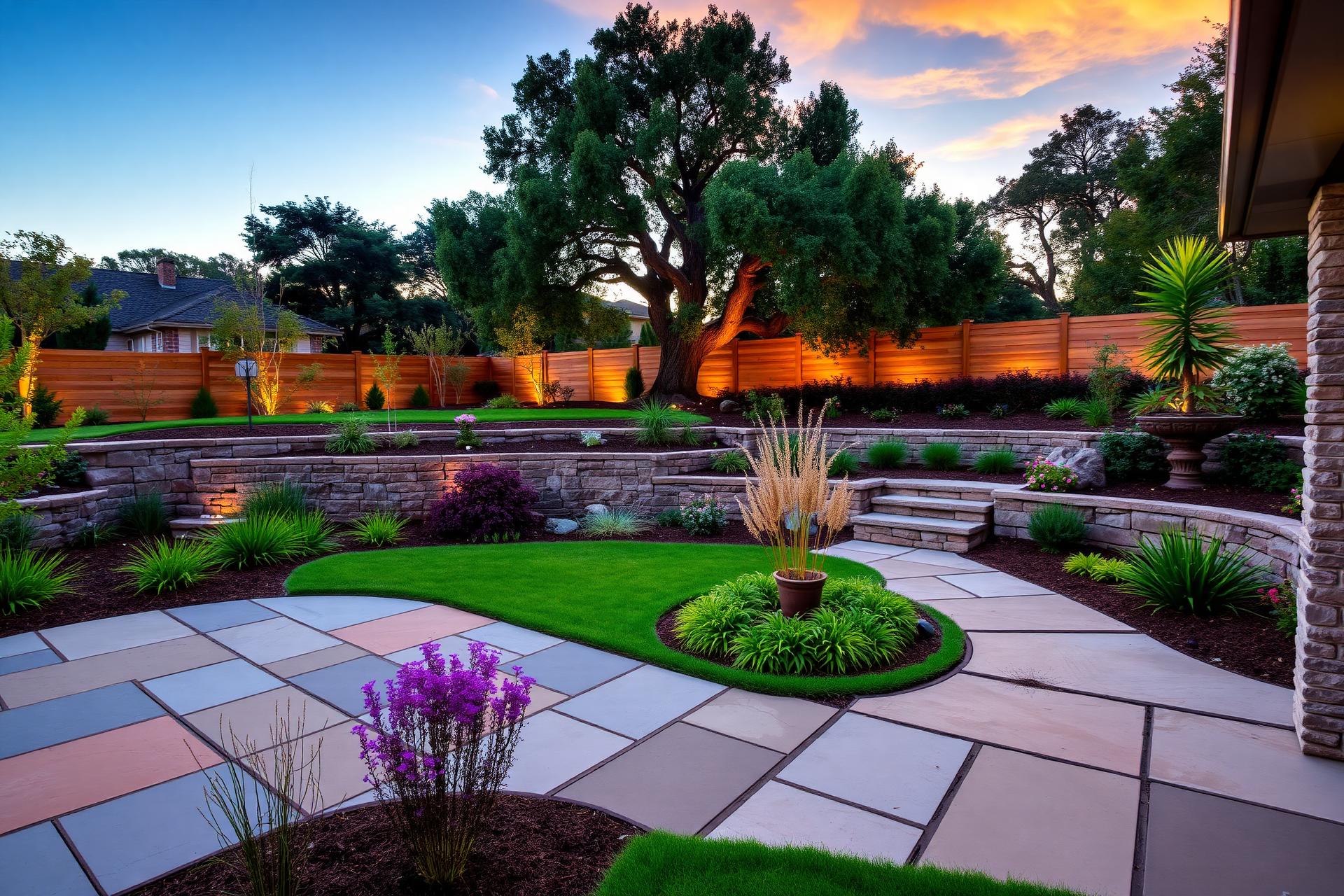
Drought-Tolerant Landscaping in Orangevale, CA
Yards That Need Less Water and Still Look Alive
Drought-tolerant landscaping cuts water use without turning the yard into a gravel lot.
No obligation. Licensed CA landscape contractor.
Dry summers in Orangevale push water bills higher every year, and tired lawns only make it worse. Drought-tolerant landscaping in Orangevale gives you a yard that looks great and sips water instead of guzzling it.
Our licensed team turns struggling turf into a space built for Sacramento Valley heat. You get the right plants, smart drip irrigation, and clean hardscape that fits your home.
Below, you will find the full process, the best plants for our zone, and what to expect when a pro landscaper handles the job for you.
What Drought-Tolerant Plants Grow Best in Orangevale, CA?
Orangevale sits in USDA Zone 9b with hot, dry summers and mild winters. Native and Mediterranean plants handle these conditions well. A local pro picks varieties that thrive in Sacramento Valley heat.
- Lavender grows well in Orangevale heat and needs very little water after the first year.
- California lilac blooms bright purple and draws pollinators to your yard.
- Deer grass forms clean clumps and stays green through dry months.
- Agave adds bold shape and survives long dry spells without help.
- Salvia brings color, attracts hummingbirds, and needs only occasional deep watering.
Your Orangevale Yard Needs a Smart Water-Wise Plan Before Work Begins
A good plan saves you money and protects every plant you put in the ground. Before we dig or plant anything, we walk your property and study how it behaves through the day. This early step is where most yard projects succeed or fail.
Orangevale soil often contains heavy clay that holds too much water in winter and bakes hard in summer. A quick soil test tells us if we need to amend beds, add gypsum, or raise planting areas for better drainage.
- Sun and shade zones across morning, midday, and late afternoon
- Soil texture, drainage speed, and compaction depth
- Exact yard measurements for accurate plant spacing and material counts
- Current sprinkler layout, spray patterns, and water pressure
- Slopes, low spots, and any signs of runoff or pooling
Old spray heads waste gallons every week, and swapping to drip lines often cuts use in half. With a clear plan in hand, the install goes faster and your new yard thrives from day one.
Going Drought-Tolerant Beats a Traditional Lawn in Real Numbers
Swapping turf for a low-water yard changes your monthly bills and your weekend workload. A traditional lawn drinks gallons every single day through July and August. A smart design built for our climate cuts that waste without cutting curb appeal.
Native and Mediterranean plants are the quiet win here. Once roots settle in, they handle heat on their own and shrug off local pests. You spend less on fertilizer, less on replacement plants, and less time behind a mower.
We design most yards around the 70/30 rule. Seventy percent low-water plants and thirty percent hardscape like decomposed granite, pavers, or river rock. The mix keeps the space soft and green while giving you clean paths and resting spots for the eye. For the difference between drought-tolerant and truly drought-resistant choices, see this UC Master Gardeners guide.
What to Do Before Installation Starts
A little prep on your end makes the whole project move faster. Before our crew rolls up, a few simple steps protect your yard, your neighbors, and your budget.
- Confirm permit needs with Sacramento County if your project includes large grading, retaining walls, or drainage changes. We can help you pull the right paperwork.
- Clear the yard of toys, patio furniture, planters, and loose debris. Mark any private sprinkler lines, low-voltage wires, or dog fence lines with flags.
- Plan your plant layout with us using the rule of thirds. Grouping plants in odd numbers gives your yard a natural, balanced look.
- Confirm a watering schedule for the establishment period. New plants need deeper, more frequent water for the first four to six weeks to root in.
Swapping turf for plants usually needs no permit at all. Grading work, new drains, or tall walls are the items that trigger county review. Bigger jobs also have to meet the state's MWELO water budget rules, which set a water use cap for new and renovated landscapes. If your project starts with an existing lawn, see our guide to lawn removal in Orangevale for picking the right method before you dig.
A Pro Installs Your Drought-Tolerant Yard in Clear Stages
Install week is where your plan becomes a real yard. A good crew works in a clear order so nothing gets missed and nothing gets wasted.
- Step 1
Remove turf and amend soil
We strip old turf and weak plants to bare soil, then add compost, gypsum, or sand based on your soil test.
- Step 2
Run drip irrigation first
Drip lines go down before plants so every future plant gets water right at the root and nothing gets stepped on.
- Step 3
Plant by hydrozone
Thirsty plants cluster on one valve and tough sun lovers get their own. This keeps your water bill low for years.
- Step 4
Finish with decomposed granite or mulch
Ground cover blocks weeds, holds soil, and ties the yard together with clean edges and crisp borders.
- Step 5
Tune the controller
We set the timer for early morning runs and walk you through how to adjust it through the seasons.
Most residential projects in Orangevale take one to three weeks from start to finish. We often plant in spring or fall to reduce transplant stress.
Verify Every System Works Right After Install
The first two weeks set up your yard for the next ten years. A quick walk-through catches small issues before they turn into dead plants or soggy corners.
- Each plant has at least one emitter aimed at its root zone
- Mulch sits at least three inches deep across every bed
- No water pools more than an hour after a full cycle
- Timer runs early morning between 4 and 7 AM
- No yellowing, wilting, or odd leaf drop on new plants
Simple Long-Term Care Keeps the Yard Sharp
A water-wise yard is low-work, not no-work. A few smart habits through the year keep your plants full, your beds clean, and your water bill low.
- Spring cleanup. Cut ornamental grasses to about four inches before new blades push up. Trim salvia and lavender to shape them.
- Refresh mulch. Top bark or wood mulch every one to two years to keep weeds down and hold soil moisture.
- Tune the drip timer. Bump run times up in summer, pull back in fall, and shut off during winter rain weeks.
- Swap dead plants fast. Empty spots invite weeds that steal water from the plants you want.
- Book a yearly checkup. A short visit catches clogged emitters, cracked lines, and early pest signs.
Back to Landscaper services in Orangevale.
Frequently Asked Questions
Turn Your Dry Yard Into a Water-Wise Retreat
Our Orangevale team designs, installs, and dials in every plant and drip line.
Mon–Fri, 7am–5pm. Licensed CA landscape contractor.