
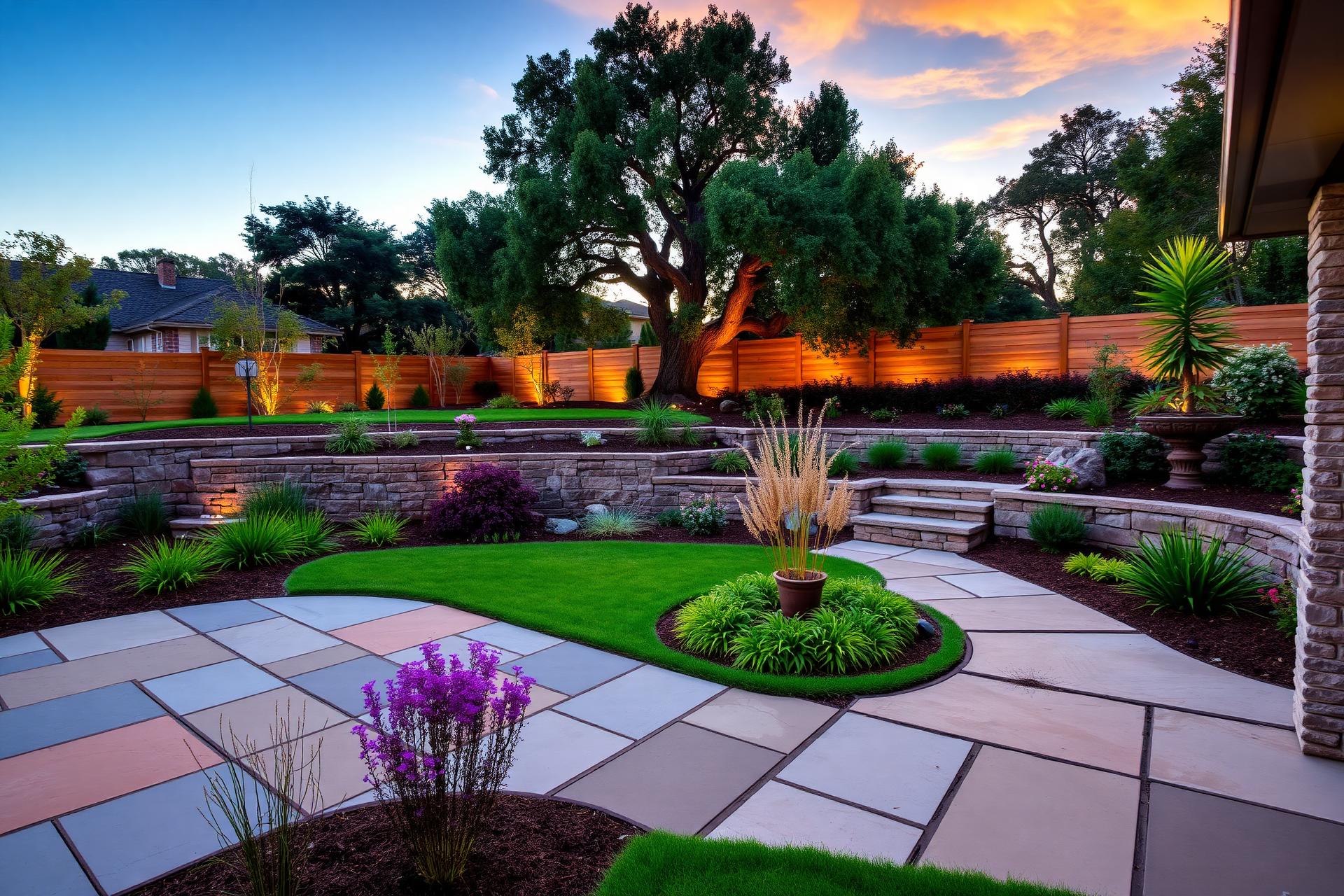
Garden Bed Installation in Orangevale, CA
New Beds, Built Right From the Soil Up
A new garden bed lives or dies on soil prep. Skip the prep and the plants follow.
No obligation. Licensed CA landscape contractor.
You want lush, productive garden beds that fit your sunny yard and busy life. Most Orangevale homeowners picture fresh tomatoes and herbs steps from the kitchen, not soggy soil or warped wood a year later.
Our garden bed installation in Orangevale handles the hard parts for you. We size the beds, pick the right wood, and build them to hold up through hot Sacramento foothills summers. How deep those beds should go depends on what you plant, which our raised garden bed depth guide covers.
This page walks you through what happens before, during, and after your beds go in.
What Is the Best Wood for Raised Garden Beds in Orangevale, CA?
Cedar and redwood hold up best. Both woods resist rot, insects, and the region's hot, dry summers. They stay strong for ten or more years without chemical treatment.
- Cedar naturally repels insects and does not rot quickly in warm climates.
- Redwood is dense and handles heat well, making it ideal for Orangevale summers.
- Avoid treated pine near food crops because chemicals can leach into the soil.
- Douglas fir costs less and works well if you seal it before the dry season.
- Composite lumber lasts long but costs more upfront and holds heat differently.
Every Orangevale Yard Needs the Right Setup First
Before we lift a single board, we walk your yard and spot the things that can make or break a garden bed. Every yard is different, and a quick site check saves you from soggy roots, stunted plants, and wasted money.
- Sun exposure. Beds need six or more hours of direct light each day for most edibles.
- Soil and drainage. We test how fast water soaks in and flag low spots that hold water too long.
- Slope and clay. Many Orangevale yards sit on hardpan clay that drains poorly, so we map grade and plan around it.
- HOA rules. We review your neighborhood guidelines before ordering wood.
- Size and layout. We show you bed count, reach distance, and where they fit best.
For plant pairing ideas that thrive in our climate alongside your beds, see this UC California native plant guide.
Hiring a Landscaper Beats DIY for Most Homeowners
A DIY raised bed sounds simple until you price the lumber, rent the tools, and spend a full weekend in the sun. Most homeowners we meet tried it once and called us the second time around.
| DIY Build | Professional Install |
|---|---|
| Full weekend of work | Finished in a few hours |
| You haul wood and soil | We deliver everything |
| Tool rentals add up | No rentals needed |
| Guesswork on wood choice | Right wood picked for you |
| Often lasts 3 to 5 years | Built to last 10+ years |
Summer heat hits fast around Orangevale and Citrus Heights. If your bed is not in by late April, you miss prime planting for tomatoes, peppers, and squash. A weekend project that drags into three weekends costs you a whole season.
Late Winter or Early Spring Is the Best Time to Schedule
Timing matters more than most homeowners think. A bed installed in late winter is ready to plant the moment the soil warms.
- November to January. Plan the project, pick your wood, and lock in a build date before the spring rush.
- Late February to April. Install the beds so soil settles, compost breaks down, and the frame seats.
- March to May. Plant warm-season crops once nights stay above 50 degrees.
- September to October. Install fall beds for cool-season crops like lettuce, kale, and spinach.
Orangevale winters are mild, so our crews work through January and February without issue. The ground is soft, the weather is cool, and we move faster.
A Professional Install Follows a Clear Process
Installation day goes faster than most homeowners expect. You do not need to do anything but point us to a water spigot and let us work.
- Step 1
Mark the footprint
We lay out the exact shape with stakes or spray paint and give you one last look.
- Step 2
Clear the area
Grass, weeds, and rocks come out of the build zone, then the ground gets raked flat.
- Step 3
Lay base protection
Weed barrier or cardboard goes down first. In yards with known gopher activity we add gopher wire.
- Step 4
Build and place the frame
Boards are cut, squared, and fastened with rust-resistant screws on level ground.
- Step 5
Fill with quality soil
Layered topsoil, compost, and organic matter feed roots better than a single dump.
- Step 6
Clean up and walk through
All scraps and extra soil leave with us, then we show you watering and care.
Quality Checks Before the Crew Leaves
Walk the beds with us and run through a few quick checks. A good install holds up for years, but only if every piece was done right on day one.
- Push down on each corner and along every board, no rocking or gaps
- Soil feels loose and dark, not packed tight or muddy
- Liner edges fully covered by soil with no sun-exposed strips
- Water drains within minutes when tested with a hose
- All corners and fasteners feel tight, no wobble or creak
Simple Habits Keep Beds Producing for Many Years
A well-built bed can last a decade or longer with less than an hour of care each season. Build these habits in and your beds will keep feeding your family.
- Top off soil each spring. Add fresh topsoil and compost until the bed is full again.
- Work in compost. Mix two to three inches of fresh compost into the top layer before planting.
- Inspect wood each fall. Seal cracks and replace any board that feels spongy near the ground.
- Use drip on a timer. Water at the roots and keep the wood dry to double frame life.
- Rotate crops each season. Move heavy feeders so soil does not burn out and pests do not settle.
Back to Landscaper services in Orangevale.
Frequently Asked Questions
Start Your Garden Season on the Right Foot
We design, build, and fill beds ready for planting day one.
Mon–Fri, 7am–5pm. Licensed CA landscape contractor.