
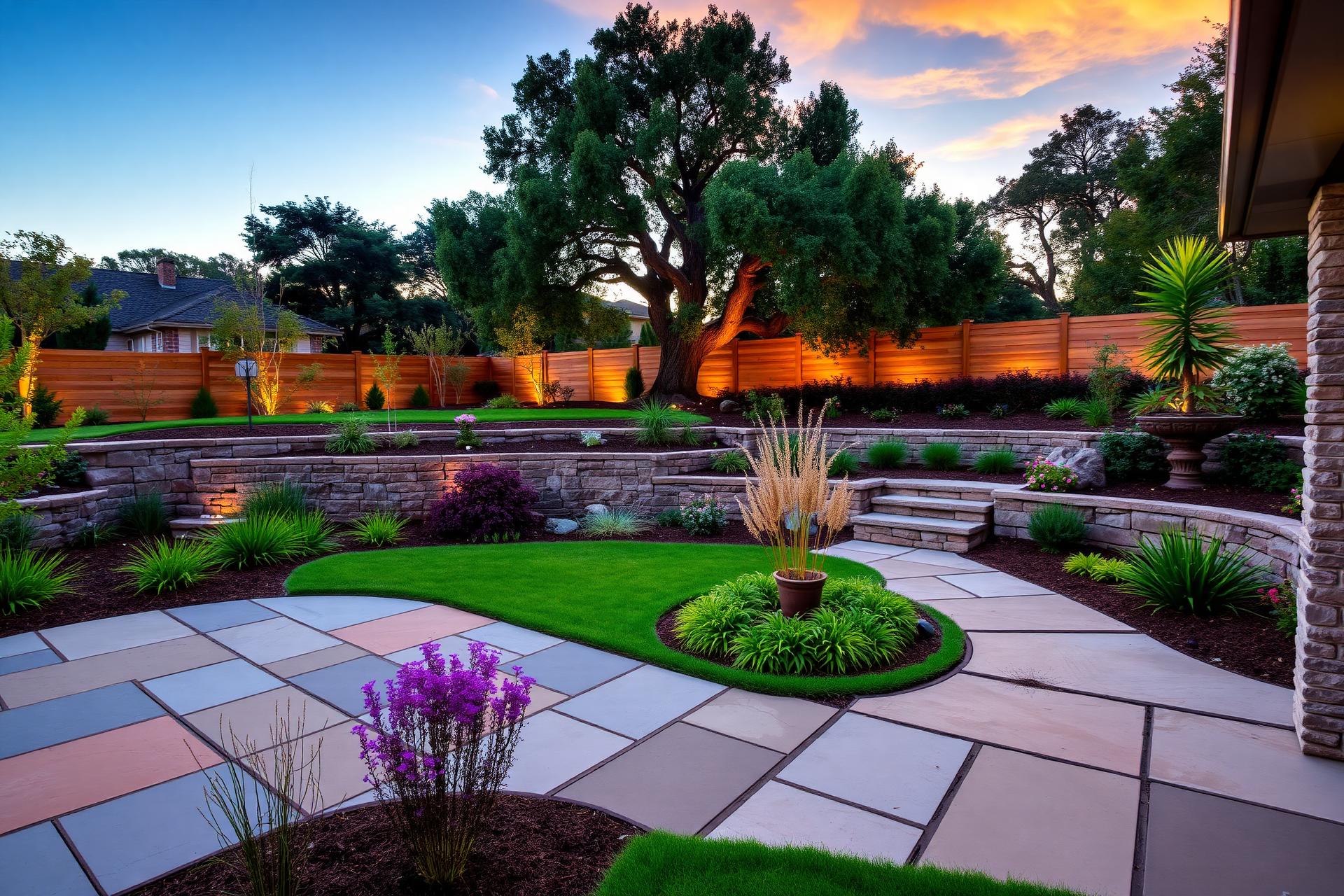
Landscape Installation in Orangevale, CA
Take a Plan From Paper to Reality
Installation is the build phase of a landscape project. The same crew that planned your yard installs it.
No obligation. Licensed CA landscape contractor.
You want a yard that looks great and holds up to hot summers and clay-heavy soil. Landscape installation in Orangevale takes more than planting a few shrubs and calling it done. It takes grading, irrigation, the right plants, and a crew that knows local conditions.
How Long Does Landscape Installation Take in Orangevale?
Most full yard installs take one to three weeks from start to finish. Crew size, yard size, and hardscape work all affect the timeline.
- Small front yard installs often finish in two to four days with a full crew.
- Hardscape work like patios and walkways adds several days to the schedule.
- Permit approval in Sacramento County can add one to two weeks before work begins.
- Soil prep and grading must happen before any plants or sod go down.
- Summer heat may require early morning work to protect new plants.
A Full Install Covers More Than Just Plants
- Soil grading and prep creates a stable base for all plants and hardscape features.
- Irrigation system installation makes sure every zone gets the right amount of water.
- Sod or seed placement gives you a green lawn from the day the crew leaves.
- Tree, shrub, and plant installation fills in structure, shade, and seasonal color.
- Hardscape elements like walkways, edging, and borders tie the whole yard together.
Orangevale yards bring their own challenge. Many properties sit on dense clay soil that does not drain on its own. Your crew should amend that soil with compost and loosening agents before any planting begins. We break down exactly how clay soil landscaping works in Orangevale before your project ever gets a shovel in the ground.
What Drives Site Prep Before Landscape Installation in Orangevale
- Clay soil. Orangevale sits on dense clay that drains slowly. Crews must loosen it and mix in compost before plants go in, or roots stay shallow and water pools.
- Slope and grade. A flat yard needs less grading than a sloped one. Sloped lots require shaping so water runs away from your home and toward planned drainage.
- Existing hardscape. Old patios, walkways, and edging must come out before new layout lines can be set. Removal adds time but prevents future settling problems.
- Old plants and debris. Dead shrubs, tree stumps, and overgrown ground cover have to be cleared. The more roots and brush in the way, the longer prep takes.
- Access to the yard. Narrow gates, fences, and side yards limit what equipment can reach the back. Tight access means more hand work and a longer prep phase.
Permits and Site Prep Must Happen Before Installation
- Pull county permits for retaining walls over a certain height and for drainage changes.
- Mark utility lines. Gas, water, and power lines must be flagged before any crew breaks ground.
- Finalize irrigation design. Lock in zones and head placement before trenching starts.
- Clear old plants and debris. Removing brush opens the yard for accurate grading and layout.
- Walk the site together to confirm plant placement and drainage paths.
The Process Follows a Specific Order
- Step 1
Grading and drainage
Crews shape the soil first to control where water flows.
- Step 2
Irrigation rough-in
Pipes, valve boxes, and sleeves go in before any soil gets compacted.
- Step 3
Soil amendment
Compost and gypsum get worked into Orangevale's clay so roots can spread.
- Step 4
Trees and structural shrubs
Large plants go in first and set the scale for everything else.
- Step 5
Smaller plants and groundcover
Mid-size shrubs and perennials go in around the anchors.
- Step 6
Hardscape finishes
Walkways, edging, and decorative rock get placed once planting is done.
- Step 7
Sod or seed
Lawn goes in last so it does not get trampled by foot traffic.
- Step 8
Final walkthrough
Crew leaders check spacing, edging, irrigation coverage, and cleanup.
Newly Installed Landscaping Needs a Final Walkthrough
Run each irrigation zone with your landscaper so you can watch the heads pop up and spray. Every head should cover its zone without soaking the sidewalk or missing corners.
Check every plant. Each should sit upright with soil firm around the base. After the first full irrigation cycle, walk the yard again. Look for low spots where water pools instead of soaking in.
Long-Term Maintenance Protects Your Investment
- Adjust your controller in spring to water more often as temperatures climb.
- In fall, cut back run times so plants do not sit in soggy soil during rainy months.
- Prune shrubs and trees in late winter before new spring growth starts.
- Mulch every bed once a year with a two to three inch layer.
- Fertilize on a schedule matched to your plant types.
Back to Landscaping services.
Frequently Asked Questions
Start the Yard You Have Been Planning
Our local crews handle grading, irrigation, plants, and hardscape start to finish.
Mon–Fri, 7am–5pm. Licensed CA landscape contractor.