Landscaper in Historic Folsom, CA
Make Room for More in Your Older Yard.Near Old Town, smaller lots and mature trees shape the work. We plan beds, paths, and water lines around the space your home already has.
One McGuire crew takes your yard from plan to walkthrough, with access and tree roots mapped before work begins.
What Shapes Yards Near Historic Folsom?
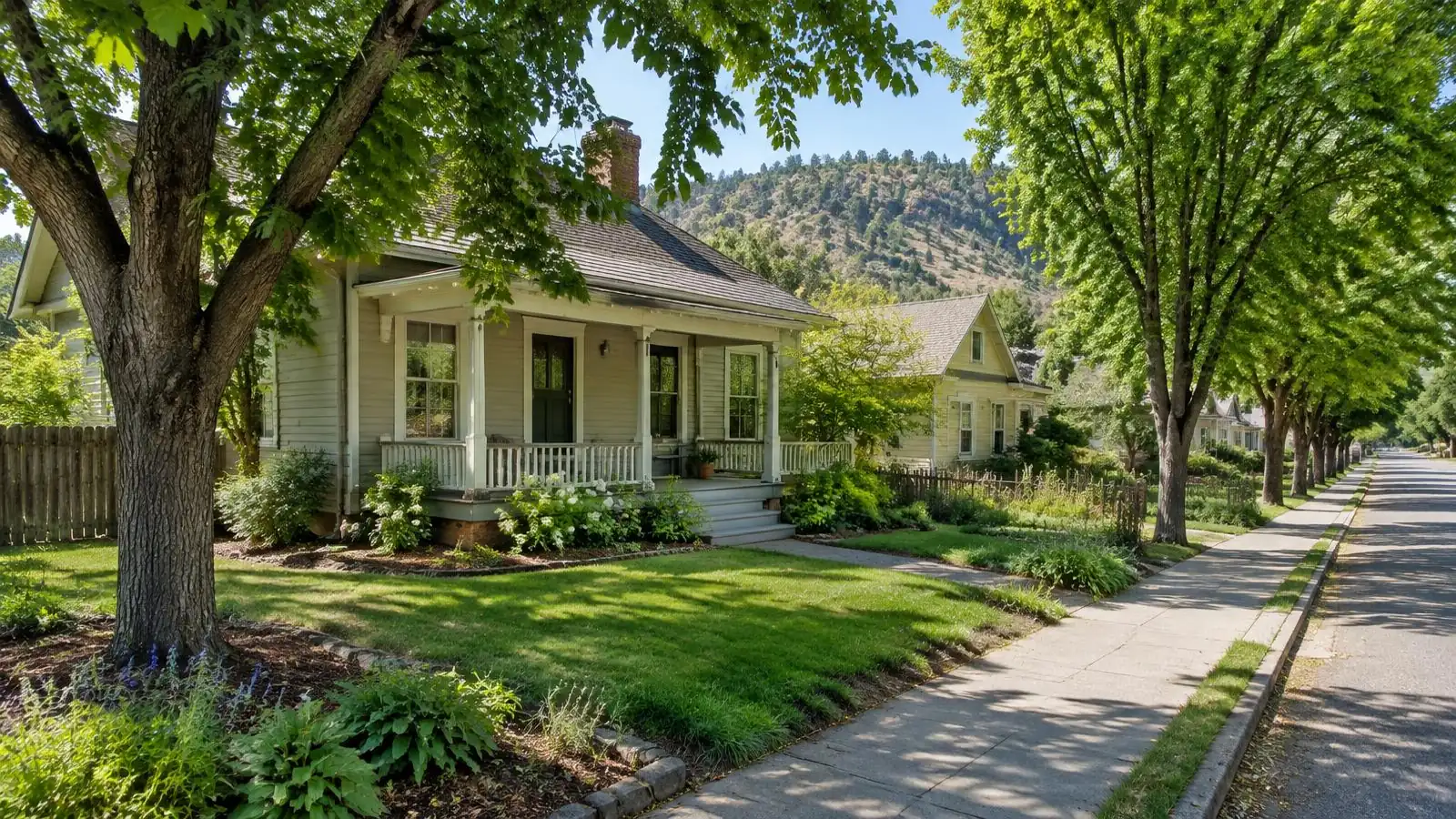
Folsom's historic Old Town core dates to the California Gold Rush era. The area includes the historic Folsom Depot and other buildings along Sutter Street. Homes nearby often sit on smaller, older lots, with mature trees along the street and in the yard.
The Historic Folsom nonprofit's page about the district shares its history and preservation work. That history gives the area context. It does not tell us which landscape changes are allowed at a particular home.
For our work across the city, see landscaping in Folsom. Near the historic core, we begin with the yard's existing trees, space, and access.
How Does a Smaller, Older Lot Change the Plan?
A compact lot leaves less room to move tools or store materials. A narrow gate may shape how the work gets done. Old paths and tree roots can limit where a patio fits. We measure first, then choose features that leave room to walk and use the yard.
- Historic-core lots: tighter working space, mature trees, and older soil and drainage patterns to check.
- Newer neighborhoods: lots may be larger, with less mature planting and more open space for a first layout.
- Every lot: check access, water flow, and soil before deciding what belongs where.
These are common differences, not a rule for every home. A newer yard can be small too. We base the plan on your property rather than its age alone.
What Can Fit Around Mature Shade Trees?
Shade from an established tree can be worth keeping. It also changes the plants that will grow below it. We note how much sun reaches each bed before choosing plants. A lawn in deep shade may not be the best use of a small space.
Roots can extend past the canopy and lie close to the surface. We do not treat a raised path as a reason to cut roots right away. Moving the path may be safer. Check with the City about work near street trees, and seek arborist advice when tree health may be affected.
What Should We Check in Old Soil and Drainage?
Years of foot traffic can pack soil down. Past changes to beds and paving may also have shifted the way rain drains. We look for standing water, low areas, and soil built up near the house. An older yard needs a ground check, not a blanket layer of new soil.
We also run the irrigation and see which areas get too much or too little water. New planting should fit the shade and water zones. Drainage work must account for existing roots and leave a safe path for runoff. We plan those parts together before new paving or beds are built.
Who Can Confirm Review Needs Near the Historic Core?
Ask the City of Folsom whether visible landscaping changes at your address need extra review. The answer can vary by property and by the type of work. We are not the authority on historic preservation rules, and we do not assume that all nearby homes have the same requirements.
Describe the planned work and ask what papers are needed before it starts. Share any written guidance with us. That lets the plan account for the answer before materials are chosen or a start date is set.
Questions to Bring to the Free Visit
- Which trees and old yard features should stay?
- How wide is the gate or side access?
- Where does water sit after rain?
- Have I checked with the City about the proposed changes?
Bring any old yard plans and written City guidance you have. Tell us how you want to use the space. A clear list helps us decide what to keep, move, or rebuild.
Questions About Landscaping in Historic Folsom
What is different about landscaping a smaller, older lot near Historic Folsom?+
There may be less room for tools, materials, and new features. Trees, old paths, and buried lines also limit where work fits. We measure access and decide what to keep before drawing. A smaller yard can still fit seating and planting, but each part needs a clear purpose and enough space.
How do mature street trees affect plants and hardscape?+
Their shade can change which plants fit the yard, and roots may reach beyond the trunk. We check both before placing beds, paths, or irrigation lines. Digging close to roots needs care. Ask the City about work near street trees, and get an arborist's advice if the plan may affect tree health.
Do visible landscape changes near the historic core need special review?+
Check with the City of Folsom before planning visible changes near the historic core. Review needs vary by property and by the work proposed. We are not the authority on historic preservation rules. Ask what applies to your address, get the answer in writing, and share it before the plan is drawn.
What needs attention in an older yard's soil or drainage?+
We look for packed soil, low spots, and water that sits near the house. Old paving or planting changes may have altered where rain goes. Mature roots can also limit digging. We check the ground before adding soil or drains, so the plan addresses the cause rather than just a wet patch.
What affects the cost of a project on a smaller historic-area lot?+
The amount of work matters more than lot size alone. Tight access, removal, root protection, and drainage changes can add steps. Materials and the features you choose also affect the cost. We look at the yard and discuss what stays before giving a written estimate for the proposed work.
What Could Your Historic Folsom Yard Do Better?
At your free visit, show us the narrow gate, shaded corner, and places rain collects. We start with the limits of your lot, not an empty drawing.
McGuire Earth Works Inc.
9314 Greenback Ln, Orangevale, CA 95662
(916) 404-0944