Native Plant Landscaping in Orangevale, CA
California Natives That Belong in Your Yard
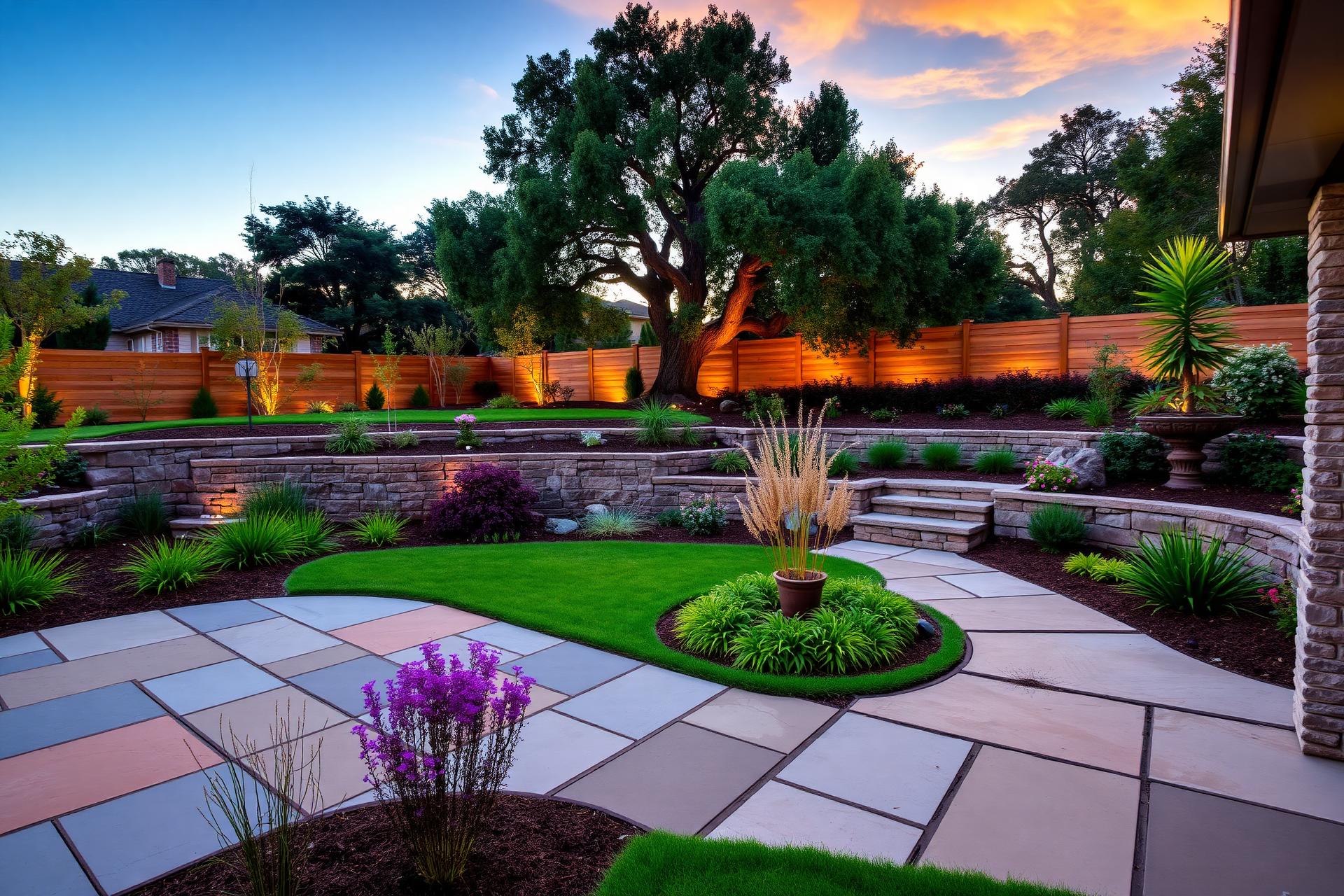
Native plant landscaping uses less water, supports pollinators, and looks like it fits the Sacramento Valley.
No obligation. Licensed CA landscape contractor.
Your yard should stay green through hot Orangevale summers without draining your wallet. Native plant landscaping gives you color, shade, and curb appeal while cutting water use and weekend chores.
A skilled local landscaper can turn tired turf into a low-maintenance, water-smart space. We match plants to your soil, sun, and slope so everything thrives with less effort.
What Native Plants Grow Best in Orangevale and When Should They Be Planted?
Orangevale sits in a Mediterranean climate zone with hot, dry summers and mild, wet winters. Fall and early winter are the best times to plant natives.
- California buckwheat handles local clay and sandy soils with almost no summer water.
- Ceanothus blooms in spring and draws pollinators on very little irrigation.
- Toyon feeds birds and stays green year-round in the Sacramento foothills.
- Blue oat grass stays tidy and works as a lawn replacement.
- Planting October through January gives roots four to six months to settle.
Your Yard Has Real Problems a Traditional Lawn Cannot Fix
- Water waste: Turf grass uses up to three times more water than native plantings here.
- Heat damage: Hot summers scorch cool-season grass and force longer, more frequent irrigation.
- Poor drainage: Clay soils cause root rot in traditional plants and leave patches of dead grass.
- Time drain: Mowing, edging, fertilizing, and reseeding eat up weekends.
- Pest pressure: Grubs, crabgrass, and broadleaf weeds stay active in conventional lawns.
Native Plant Landscaping Is Worth the Investment Over a Standard Lawn
| Cost Area | What Changes with Natives |
|---|---|
| Monthly water bill | Drops sharply once plants are established |
| Fertilizer and pesticides | Little to none needed on true natives |
| Equipment and fuel | No weekly mowing or reseeding supplies |
| Curb appeal | Year-round color and texture |
| Property value | Often rises in drought-aware neighborhoods |
We usually design yards using a 70/30 planting ratio. That means 70 percent California natives and 30 percent complementary plants that handle the same conditions. For more on choosing natives, see this UC ANR guide to California native plants. If pollinators are a priority, we can lean the plant list toward native plants that support bees and butterflies in Orangevale.
Fall Is the Right Time to Schedule Installation
- September: Book your consultation and walk the yard with your landscaper.
- Early October: Finalize the plant list and design.
- Late October: Install day. This lines up with Orangevale's first significant rains.
- November through February: Winter rains water your new plants for you.
- Spring: Roots are deep, plants are settled, and you see your first bloom flush.
What Happens During a Professional Install
- Step 1
Site prep
Remove existing turf, weeds, and old root mass. Amend soil if drainage needs help.
- Step 2
Plant layout
Set each plant in its future spot, still in the pot, to adjust spacing and groupings.
- Step 3
Digging
Each hole gets dug two to three times wider than the root ball for fast establishment.
- Step 4
Planting
Plants in at the right depth, root crown level with surrounding soil, then backfill and water in.
- Step 5
Mulch
A three-inch layer over the entire bed to hold moisture and block weeds.
- Step 6
Walkthrough
We walk the finished yard, show you the watering schedule, and answer questions.
Clear Signs Your New Native Landscape Is Thriving
- New leaf growth within four to eight weeks.
- Moist soil two inches below the surface a day after watering.
- No wilting or yellowing in the first month.
- Pollinators showing up in the first season.
- Steady shape and color, plants the same size or slightly fuller.
Established Native Gardens Need Very Little Ongoing Maintenance
- Late winter pruning to cut back dead stems and spent flower heads.
- Mulch refresh every one to two years to a three-inch layer.
- Deep summer watering in year one and two, then taper off.
- Spring weed check in March to pull invasives before they set seed.
- Skip synthetic fertilizer. Natives evolved in lean California soils.
Back to all landscaping services.
Frequently Asked Questions
Trade Your Thirsty Lawn for Lasting Color
We plan, plant, and guide your native yard from day one.
Mon–Fri, 7am–5pm. Licensed CA landscape contractor.