
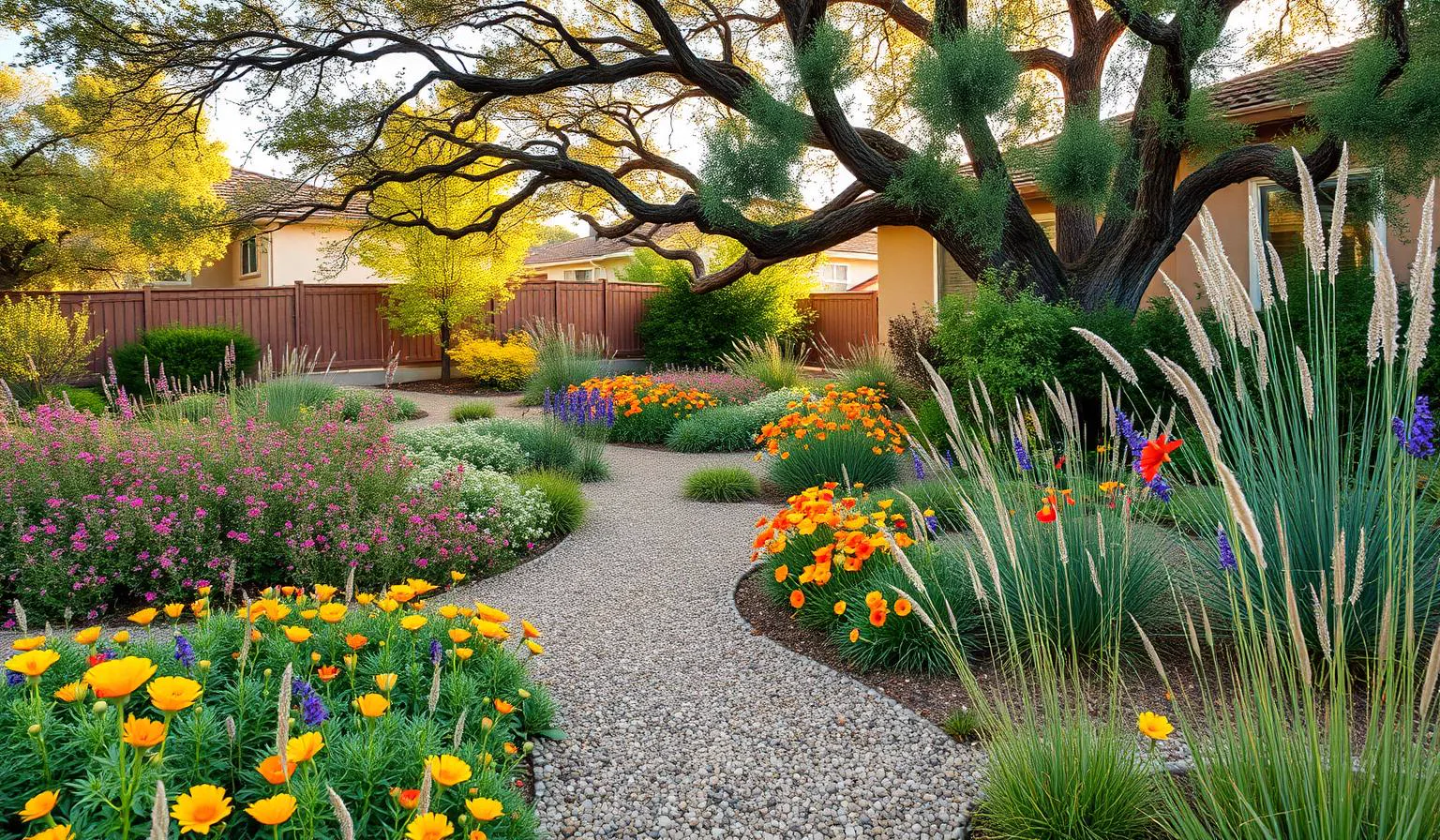
Native Plants for Clay Soil in Orangevale, CA
Choose Plants That Fit Your Soil
Clay soil does not rule out a native garden. Start with plants that can handle the ground you have, then match each one to the sun and water in that spot.
No obligation. Licensed CA landscape contractor.
Can Native Plants Handle Orangevale Clay Soil?
Yes. Several California native plants handle Orangevale's clay soil well. Western spice bush, brown-twigged dogwood, and coyote mint are three options to consider. Choosing plants that fit the soil means less fighting the ground and more plants that can settle in. The next step is to match each plant to the sun, drainage, and space in your yard.
Clay is not a reason to give up on a garden. It is a reason to choose with care. Our approach to native plant landscaping in Orangevale starts with the site, not just a list of plants that look good in a photo. Two beds on the same lot can need different choices.
Why Clay Makes Plant Choice Matter
Clay-loam is common in Orangevale yards. Clay has very fine soil particles that pack closely together. Water can move through it slowly, and wet ground can stay wet long after the surface looks dry. Foot traffic and past building work can press soil even tighter. That leaves less room for air and water to move around roots.
Many plants sold for gardens, including non-native ones, need better drainage than a heavy clay bed provides. But native or non-native is not the whole test. Some natives also need quick drainage. A label that says California native does not mean the plant suits every California yard. Check the soil needs of the exact plant before adding it to your plan.
What Clay Tolerance Means in an Orangevale Yard
Clay tolerance means a plant can grow in clay soil. It does not mean every clay-tolerant plant can sit in standing water. Slow drainage and seasonal flooding are different conditions. A plant that handles one may not handle the other. Check those needs separately, especially in low spots where rain or irrigation water gathers.
In the UC Davis Arboretum's Future Favorites climate-ready plant list, the three natives below have soil traits that help narrow the choices. Western spice bush has specific support for poor drainage and seasonal flooding. Do not carry that claim over to dogwood or coyote mint just because they appear on the same list. Soil tolerance is a starting point, not a promise that a plant needs no care.
Three California Natives to Consider
Western spice bush (Calycanthus occidentalis) is a shrub. The Arboretum lists it as able to tolerate sand, clay, poor drainage, and seasonal flooding. That makes it worth considering when a bed has heavier soil and wet periods. Still, check the rest of the site's conditions before deciding where it goes. One useful soil trait does not replace a full site check.
Brown-twigged dogwood (Cornus glabrata) is another shrub to consider. The source lists clay tolerance. Use that as a reason to review it for a clay-soil bed, not as proof that it can handle any puddle. Plan its place in the yard only after checking its space, sun, and water needs. Keep the name on your list while you sort out those details.
Coyote mint (Monardella villosa) is a perennial, meaning it lives for more than one growing season. The source says it can grow in clay, sand, or serpentine soil. It gives you a different kind of plant to consider alongside the shrubs. That range of soils does not mean all water conditions suit it. Match the spot to the plant rather than treating soil tolerance as the only rule.
Check Drainage Before Planting in Orangevale
Walk the yard after rain and note where water lingers. Look at downspouts, slopes, and sprinkler spray. A wet patch might be getting extra water from somewhere else. Choosing a tolerant plant does not fix a pipe leak or water flowing toward the house. Sort out those problems before filling the bed with new plants.
- Mark beds that dry sooner and spots that stay wet.
- Note sun and shade in each planting area.
- Check for packed soil where people or equipment have passed.
- Match watering to the plant and the soil, not a fixed habit.
Give new plants a clear care plan while they settle in. Check the soil rather than adding water just because the calendar says to. Clay can hold moisture below a dry-looking surface. Ask how to judge that moisture for the plants you choose. The goal is a suitable root zone, not a bed kept wet at all times.
Plan for Pollinators as Well as Soil
A native garden can support pollinators, but clay tolerance alone does not tell you what food a plant offers them. Keep that goal in the plant selection process rather than assuming each choice does the same job. Our guide to native plants for pollinators helps you think about that part of the plan. Build a planting list that fits both the living things you want to support and the ground you have.
Shade Trees Need a Clay-Soil Check Too
A tree choice needs more than a wish for shade. Check the soil and drainage at planting time, along with room for roots and the mature tree. Our guide to native shade trees covers that larger choice. A clay-soil Orangevale yard can still have an attractive native plant palette. Start with the site's needs and let those guide each plant's place.
Bring notes about wet spots and photos of the beds to your planning visit. Tell us where you want shade and where you hope to see pollinators. Those simple details help turn a short plant list into a yard plan that fits the way you live.
All Native Plant Landscaping Services in Orangevale
Back to Native Plant Landscaping in Orangevale, CAPlan a Native Garden for Your Orangevale Soil
McGuire Earth Works Inc. can match a native plant plan to your soil and drainage. Call (916) 404-0944 for a free estimate. We will walk the yard and help you choose where each plant belongs.
Mon–Fri, 7am–5pm. Licensed CA landscape contractor.