
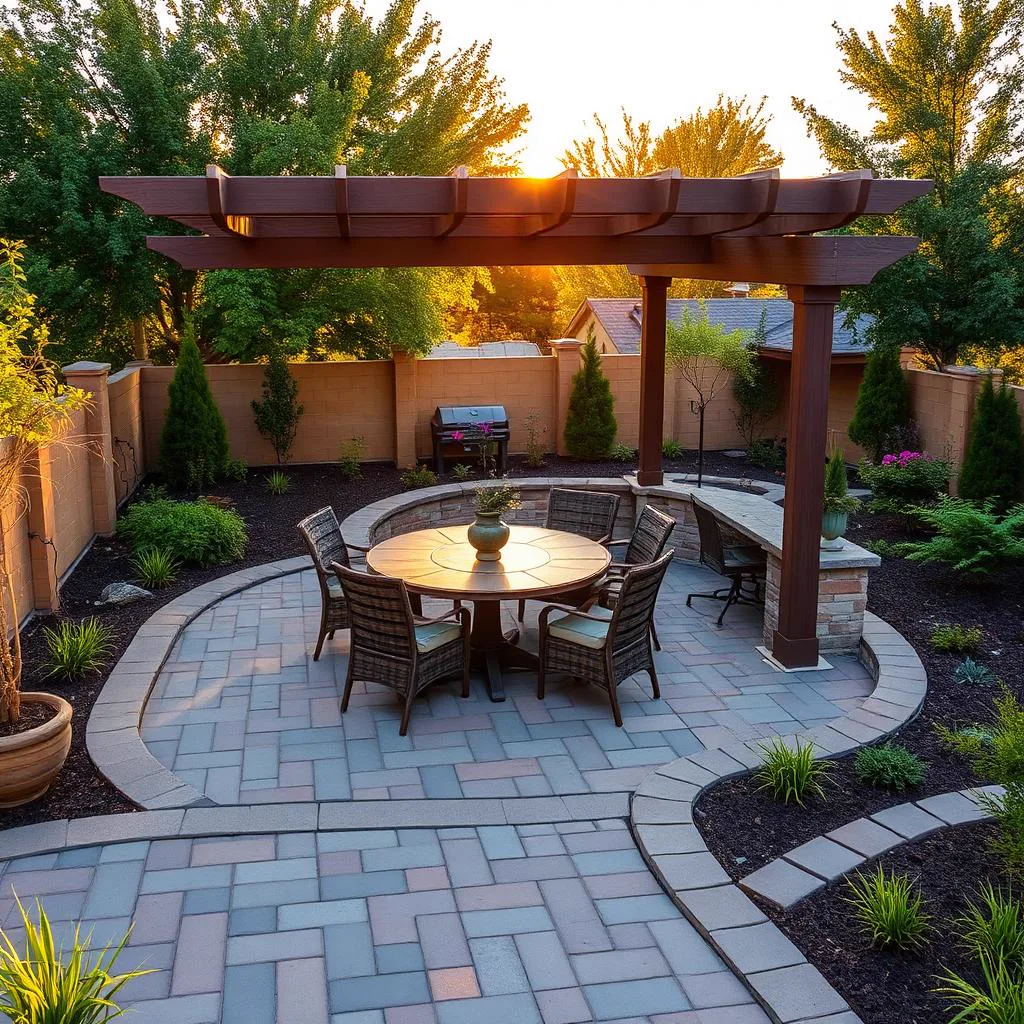
Paver Patios in Orangevale, CA
Strongest Patio for Our Soil
Paver patios outlast poured concrete on our clay. They flex, they drain, and they repair without a sledgehammer.
No obligation. Licensed CA landscape contractor.
You want a backyard that handles hot Orangevale summers and still looks sharp in October. A paver patio gives you a solid, low-stress surface for grilling, lounging, and hosting friends. Bare dirt, mud, and cracked concrete should not get in the way.
This page walks you through paver patios in Orangevale from start to finish. You will see how pavers work, how a good crew installs them, and how to keep them clean for decades.
How Long Does a Paver Patio Last in Orangevale, CA?
A properly installed paver patio in Orangevale can last 25 to 50 years. Pavers handle heat, frost, and foot traffic well. Good base prep and joint sand are the biggest factors in lifespan.
- Concrete pavers resist cracking better than poured slabs during ground shifts.
- Individual pavers can be replaced without tearing out the whole patio.
- Polymeric sand in the joints slows weed growth and insect tunneling.
- Sealing pavers every two to three years extends color and surface strength.
Signs Your Orangevale Backyard Needs a Paver Patio
- Mud after every rain. Bare dirt turns into a mess once winter rains hit. A solid paver surface gives you clean, dry footing year-round.
- Cracked concrete slabs. Orangevale clay shifts in dry summers and cracks poured concrete fast. Interlocking pavers flex with that movement instead of breaking.
- Worn-out grass paths. Heavy foot traffic kills lawn. A patio gives those high-use zones a real surface.
- Unfinished gravel areas. Loose gravel scatters into beds and tracks indoors. Pavers replace it with a finished space you can set furniture on.
- Drainage trouble near the house. A properly sloped paver patio moves water away from the home and protects the structure.
Paver Patios vs. Concrete and Wood Decks in Orangevale
| Feature | Pavers | Concrete or Wood |
|---|---|---|
| Repairs | Swap one paver at a time | Replace full slab sections or rotted boards |
| Heat underfoot | Stays cooler in summer | Wood gets hot, concrete radiates heat |
| Lifespan | 25 to 50 years | 15 to 25 years with upkeep |
| Maintenance | Sweep, rinse, reseal | Staining, crack repair, board replacement |
When a concrete slab cracks, you often replace a whole section. With pavers, we lift the damaged unit, fix the base, and drop in a new one. For pattern ideas, see this Belgard hardscape design gallery.
What to Do Before Your Installation
- Move patio furniture, planters, and grills off the build zone.
- Pull out small shrubs or potted plants you want to keep.
- Stack firewood, toys, or garden tools against the fence line.
- Unlock the side gate and clear a path wide enough for a wheelbarrow.
- Mark sprinkler heads and low-voltage cables with bright flags.
Marking irrigation lines matters most. Buried sprinkler pipe and landscape lighting wire are easy to nick during excavation.
How a Paver Patio Installation Works
- Step 1
Excavate the area
We dig down six to eight inches to reach stable soil.
- Step 2
Build the gravel base
Crushed gravel goes down in layers and each one is compacted for drainage and a firm platform.
- Step 3
Screed the bedding sand
A thin layer of coarse sand on the base, screeded flat so pavers sit level.
- Step 4
Lay the pavers
Each paver in your chosen pattern. Edge pieces cut with a wet saw for clean lines.
- Step 5
Lock in the joints
Polymeric sand swept across the surface, then misted to harden in place.
- Step 6
Final compaction
A plate compactor with a protective pad seats pavers firmly into the sand bed.
How to Know Your New Paver Patio Was Done Right
- Check the slope. Your patio should pitch slightly away from your house, about a quarter inch of fall per foot.
- Inspect the joints. Joint width should look even from one paver to the next.
- Test the edges. Press down firmly on perimeter pavers. They should feel solid.
- Confirm the sand. Polymeric sand should fill every joint flush with the paver surface.
- Get the warranty in writing. A signed document covering both labor and base materials.
Easy Maintenance Steps That Keep Your Patio Looking New
- Sweep weekly with a stiff broom to clear leaves, dirt, and debris.
- Rinse with a garden hose to wash away dust and pollen.
- Seal every two to three years to protect color and block stains.
- Refill polymeric sand into any joints showing erosion.
- Swap damaged pavers early before the problem spreads.
Back to Hardscaping services.
Frequently Asked Questions
Enjoy a Backyard Built for Real Life
We design, prep, and install your paver patio start to finish.
Mon–Fri, 7am–5pm. Licensed CA landscape contractor.