
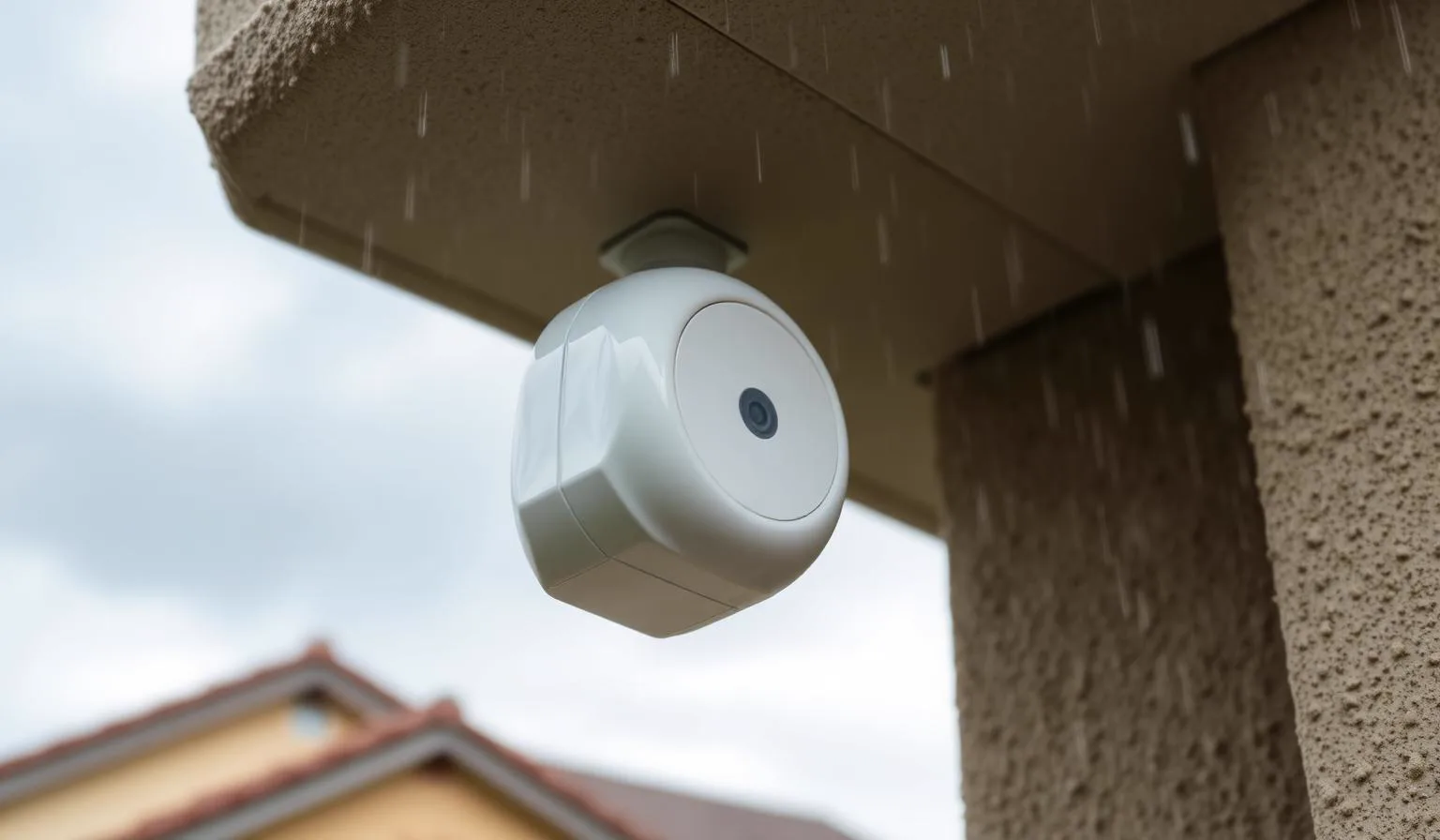
Rain Sensor Integration in Orangevale, CA
Sprinklers That Know It Is Raining
A rain sensor is the cheapest upgrade you can add to most systems. It pays for itself in one wet winter.
No obligation. Licensed CA landscape contractor.
Orangevale's hot summers and mild winters affect sensor choice. Wired sensors work well in open spots. Wireless sensors fit yards with trees or structures that block a wire path.
- Most Orangevale rain falls between November and March
- Summer heat dries disc-based sensors faster, so check settings in July and August
- Wireless sensors avoid long wire runs across large lots
- Wired sensors cost less upfront on smaller properties
Your Sprinkler System May Already Be Ready
Many controllers sold in the last 20 years already have a sensor terminal built into the wiring panel. A tech checks your controller before buying any parts.
- Older systems may have a bypass jumper wire that takes 30 seconds to remove
- Controllers without a sensor input can use an affordable adapter or relay
- Mounting location must catch rain directly with no overhang
- Many Orangevale homes from the 1990s already have compatible controllers
Wired vs Wireless Sensors
- Smaller lots with short distances suit a wired sensor: simpler, cheaper, no batteries
- Long wire runs through walls or attics favor wireless
- Wireless works well on Four Seasons-area lots where controllers sit far from the best mount
- Ask your landscaper to show both options before any work starts
What to Expect Installation Day
- Clear the area around your controller box
- Know your controller brand and model (text a photo ahead of time)
- No city permit required for rain sensor add-ons in Orangevale
- Tech runs a full system test before leaving
How the Sensor Gets Connected
- Find a mounting spot with direct rain exposure (often south-facing eaves)
- Run wires to the controller terminals or pair a wireless receiver
- Remove the bypass jumper so the sensor can talk to the controller
- Set the rain threshold (a quarter inch is a common starting point)
- Run a live test by applying a wet sponge to the sensor discs
For weather-based irrigation strategy, see Rain Bird's weather-based irrigation.
Testing Confirms the Sensor Works
- Wet sponge test triggers the discs and stops the active zone
- Tech verifies zones resume watering after sensor dries
- Bypass switch confirmed off in the controller
- You learn what the indicator light or icon looks like during a rain event
Simple Yearly Maintenance
- Clean the hygroscopic discs once a year (especially after oak leaf drop)
- Check the sensor mount after winter storms for loose screws
- Replace wireless sensor batteries every 1-2 years
- Schedule a spring checkup before May's dry season starts
Frequently Asked Questions
All Irrigation & Sprinkler Systems Services in Orangevale
Sprinkler System InstallationDrip Irrigation System InstallationSmart Irrigation ControllersWater-Efficient Irrigation UpgradesIrrigation Zoning & MappingPressure Regulation SystemsSeasonal Irrigation Startup & ShutdownIrrigation Timer ProgrammingBackflow Prevention SetupSubsurface Irrigation SystemsBest Time to Run SprinklersIrrigation RebatesCycle and Soak Watering
Back to Irrigation & Sprinkler Systems in Orangevale, CAKeep Your Yard Watered Right, Rain or Shine
We install and connect your rain sensor in one quick visit.
Mon–Fri, 7am–5pm. Licensed CA landscape contractor.