
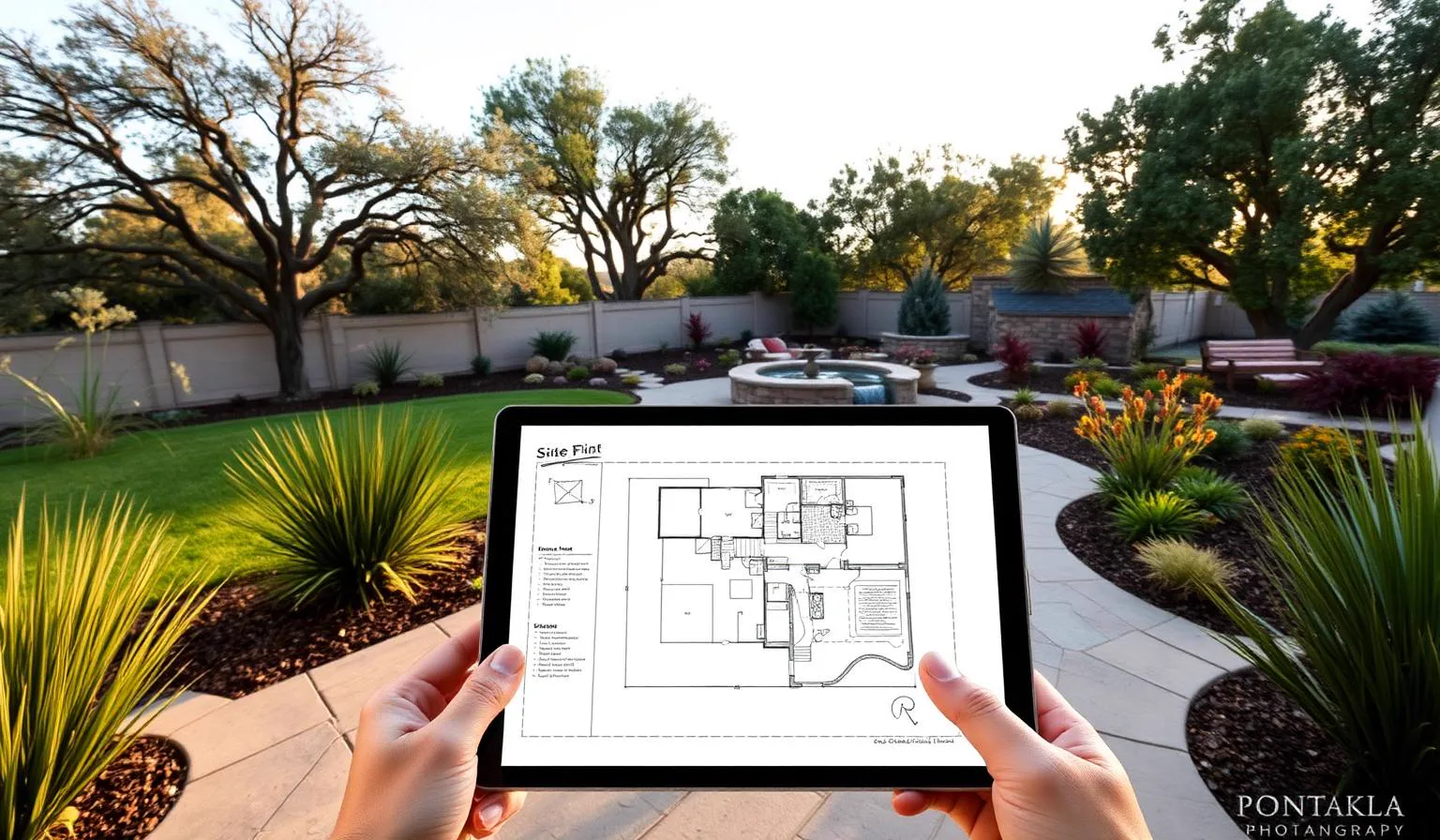
Custom Landscape Design in Orangevale, CA
A Plan Built for Your Yard, Not a Catalog
Most homeowners want a yard they can actually use. A custom plan makes that real before any digging starts.
No obligation. Licensed CA landscape contractor.
Random plantings and muddy spots waste both your yard and your weekends. Most yards in Orangevale were never actually planned. They grew one impulse purchase at a time, which is why they feel unfinished no matter how much you spend on individual plants.
A custom plan fixes the layout first, before anything goes in the ground. You get a yard built around your actual soil, sun, and how your family uses the space, not a template pulled off a nursery shelf.
What Permits Do You Need Before Starting a Custom Landscaping Project in Orangevale, CA?
Most custom landscape design projects in Orangevale need at least one permit before work begins. Sacramento County handles permits for grading, retaining walls, and irrigation tied to a public water line. Your landscape designer can tell you which permits apply to your specific yard.
- Grading permits are required when you move large amounts of soil on your property.
- Retaining walls over a set height need a structural permit from Sacramento County.
- Irrigation connections to a public water supply often require a plumbing permit.
- Large patios or driveways may need an impervious surface review.
We pull the correct permits so your project stays legal and on schedule.
The Same Problems Show Up in Yard After Yard
A custom design fixes the root cause instead of covering it up.
- Poor drainage. Muddy spots and dead grass after winter storms. A good design grades the soil and adds drains where water collects.
- Unshaded patios. Your back patio becomes an oven in July and August. Shade structures and well-placed trees make the space usable again.
- Overgrown plants. Shrubs crowd each other and block views from your windows. A clear planting plan gives each plant room.
- Eroding slopes. Bare soil washes out fast in winter rain. Ground covers, walls, and proper grading hold the soil in place.
- Random plantings. A yard with no plan feels unfinished. A designer ties every bed, path, and feature into one look.
These problems get worse the longer you wait. Custom design catches all of these in one plan. You spend money once and get a yard that works.
Designer or Architect? Knowing the Difference Helps You Decide
Picking the right pro starts with knowing what each does. The titles sound similar, but the work and cost are not the same. Most Orangevale homeowners only need one of them, not both.
A landscape designer focuses on the creative and planting side. They build layouts, choose plants, pick materials, and shape the look. Their work covers most home projects in Orangevale.
A landscape architect holds a state license. They can stamp grading plans, structural drawings, and engineered retaining wall designs. Their work matters most on steep lots, commercial sites, or projects needing engineering review.
| Landscape Designer | Landscape Architect |
|---|---|
| Plant and layout plans | Stamped engineering documents |
| Patios, beds, and style concepts | Large grading and structural work |
| Lower fees for residential jobs | Higher fees for licensed services |
| Right fit for most Orangevale yards | Right fit for complex slope or commercial sites |
Ask each candidate what their license covers before you sign. A clear answer up front protects your project and your wallet.
What Helps Before the First Meeting
A little prep before your first meeting saves real time later. Think through how you actually use the yard now and how you want to use it, and notice which areas get full sun, part shade, or shade all day. Photos of problem spots, bare patches, cracked concrete, old structures you want gone, help your designer see what you see. If you can pull up utility line locations or old property records, bring those too, along with a few photos of styles or yards you like. A rough budget range helps your designer pick materials and plant sizes that actually fit.
The Design Process Follows Clear and Predictable Steps
Once you hire a designer, the work moves through set stages. Each step builds on the last, so you always know what comes next.
- Step 1
Site visit and measurements
Your designer walks the yard and measures every key area. Early light shows true sun and shade patterns.
- Step 2
Base plan drafting
The designer maps your home, fences, utilities, and existing plants to scale. Accurate measurements prevent costly mistakes.
- Step 3
Concept presentation
You see a concept drawing with layout, plants, hardscape, and materials. Color samples and photos help you picture the finished yard.
- Step 4
Review and revisions
You share what works and what does not. Most projects go through one or two rounds of changes before final approval.
- Step 5
Final construction documents
Build-ready plans guide contractors through grading, planting, irrigation, and hardscape work.
Walk Your Finished Design and Check Every Detail
The day your install wraps up is not the finish line. A careful walkthrough protects the money you just spent. We stand beside you and check every detail against the plan we approved together.
Run a full irrigation test. Turn on each zone and watch the spray pattern. Every plant should get water without soaking the foundation or walkways. Drip lines need to reach the root ball of each shrub and tree.
- Plant spacing matches the plan so roots and canopies have room to grow
- Mulch depth covers all bare soil at the right thickness
- Lighting fixtures aim where the plan shows
- Drainage outlets stay clear and visible
- Permits, warranties, and plant care guides are in your hands
Low-Water Plant Choices Prevent Future Problems
The plants picked during design shape how much work your yard needs for years. We choose species that match Orangevale heat, soil, and water rules from the start. That choice saves you weekend hours and keeps your water bill predictable.
| Plant Type | Why It Works Here |
|---|---|
| California natives | Buckwheat and sage thrive in local heat with little water. |
| Mediterranean herbs | Lavender and rosemary resist drought and need minimal pruning. |
| Ground covers | Drought-tolerant spreaders block weeds across bare soil. |
| Shade trees | Native oaks and crape myrtles cool patios and lawns. |
For more on water-wise plant choices in our climate, see this UC Master Gardeners drought guide.
We map every plant to a watering zone before installation. That way your timer runs the right schedule for each group, not a single guess for the whole yard.
Back to Landscape Design services.
Frequently Asked Questions
All Landscape Design Services in Orangevale
Get the Yard You Actually Want
We design a plan built around your property, sun, and lifestyle.
Mon–Fri, 7am–5pm. Licensed CA landscape contractor.