
Pollinator-Friendly Landscape Design in Orangevale, CA
Yards That Bring Back the Bees and Butterflies
Pollinator yards look better, live longer, and need less spraying. The plant list is the trick.
No obligation. Licensed CA landscape contractor.
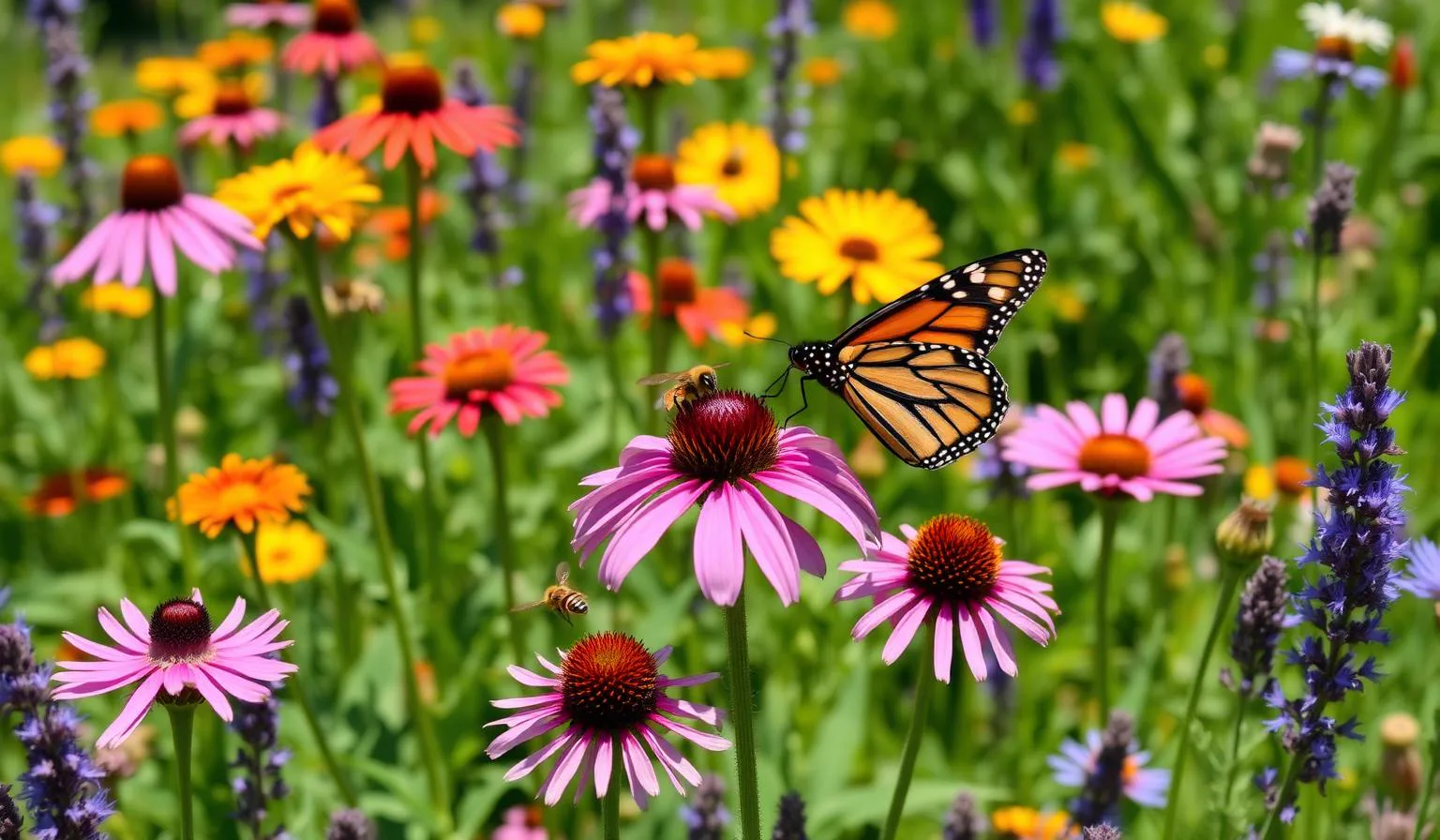
Native and drought-tolerant plants work best. Lavender, purple coneflower, and California native salvias bloom across multiple seasons and give bees and butterflies steady food.
- Lavender blooms in summer and draws honeybees and bumblebees
- Purple coneflower attracts butterflies, native bees, and beneficial insects
- California native salvias offer nectar-rich flowers hummingbirds and bees love
- Milkweed is the only plant monarch butterflies need to lay eggs
- Black-eyed Susan feeds pollinators into fall
Why Orangevale Yards Lose Pollinators
- Lawn-only yards give bees and butterflies nothing to eat
- Non-native ornamentals often lack nectar and pollen
- Bloom gaps leave pollinators hungry in key seasons
- Pesticide sprays kill the insects you want
- Bare soil under heavy mulch blocks ground-nesting bees
About 70% of native bee species nest in the ground. Yards covered in heavy bark or weed fabric close off that habitat.
Why Hiring a Landscaper Is Worth It
- Right plant, right spot, matched to your light and soil
- Proper spacing so plants do not choke each other out
- Year-round bloom that feeds pollinators every season
- Healthy nursery stock that can handle 100-degree days
- One install, not three replacement rounds
Pollinator decline is tracked by conservation groups like the UC ANR Bug Squad. Your yard is one small piece of the fix.
Fall and Early Spring Are the Best Planting Windows
- Site walk and design review to confirm sun, soil, and plant fit
- HOA and city check for compliant front-yard plans
- Soil prep with loosening and compost
- Irrigation setup with drip lines before planting
- Plant sourcing timed to arrive on install day
Hand-watering through an Orangevale July rarely works. Drip irrigation matters most that first dry summer.
How Install Day Works
- Site clearing of turf and weeds
- Soil prep with compost
- Plant layout by height, bloom time, and pollinator function
- Planting at correct depth with firm soil contact
- Drip irrigation installed for steady root-zone water
- Two to three inches of mulch over bare soil
Most Fair Oaks Village area installs finish in one to three days.
You Can See Results Within One Season
- Daily visitors: bees, butterflies, hummingbirds
- New leaf growth showing roots have settled
- Multiple species blooming at once
- Firm stems and upright posture, not droopy or yellow
- Fewer aphids as ladybugs and lacewings move in
We come back at 60 days to walk the yard, check root growth, and swap any plant that is not thriving.
Simple Year-Round Care
- Spring: refresh mulch and pull winter weeds
- Summer: deadhead spent blooms, deep water every 1-2 weeks
- Fall: leave seed heads standing for birds and insects
- Every 2-3 years: divide overgrown perennials
- Never use synthetic pesticides near the pollinator garden
Frequently Asked Questions
All Landscape Design Services in Orangevale
Bring Bees and Butterflies Back to Your Yard
We design and plant a pollinator garden built for Orangevale.
Mon–Fri, 7am–5pm. Licensed CA landscape contractor.