
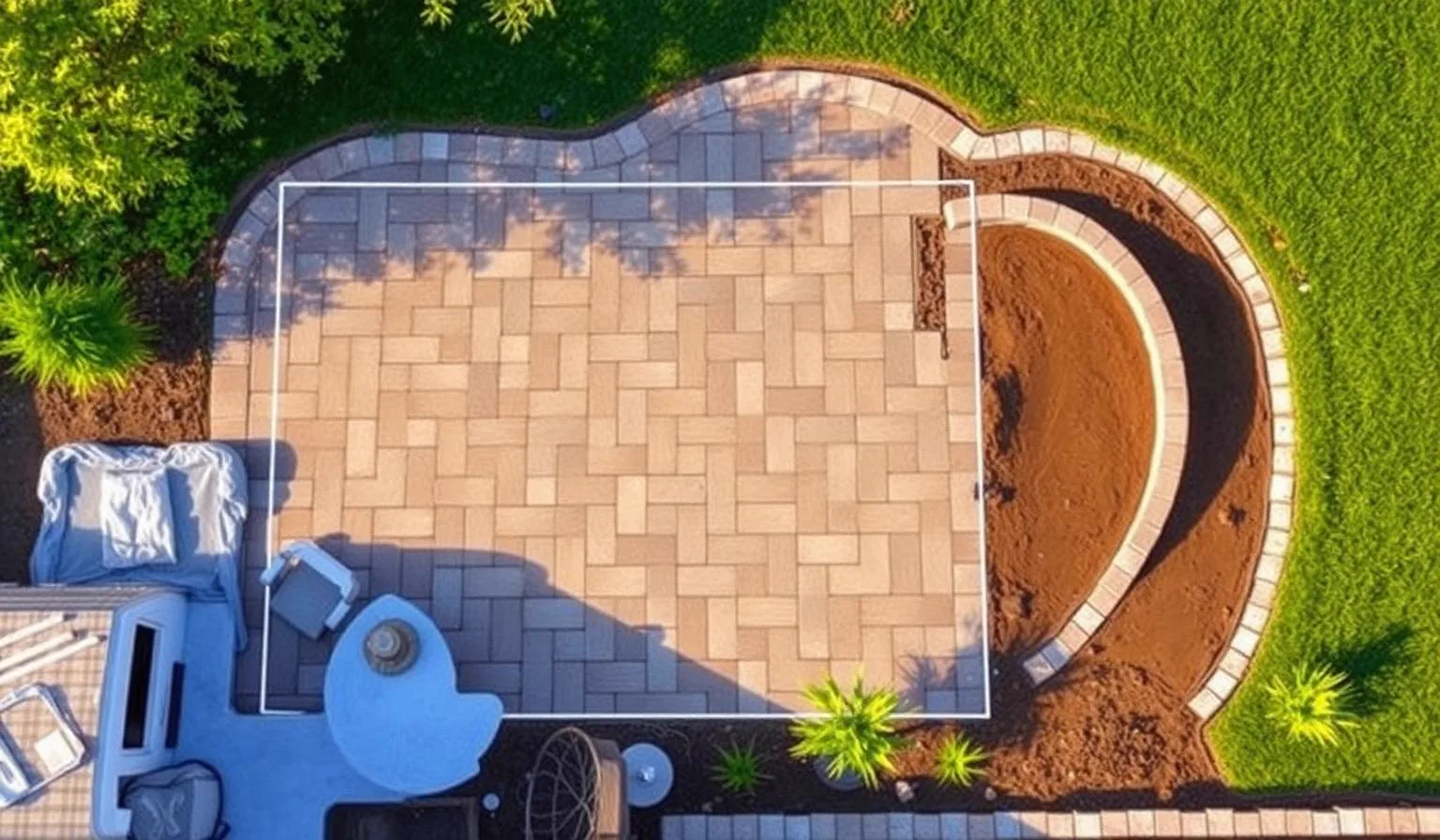
Hardscape Layout Design in Orangevale, CA
Patios and Paths Planned Before They Are Poured
A patio in the wrong spot is a patio you never use. We draw every line first so the layout fits the yard.
No obligation. Licensed CA landscape contractor.
Your backyard should work hard in hot summers and still look great all year. If yours feels crowded, plain, or hard to use, the layout is usually the reason. Good hardscape layout design in Orangevale fixes that before a single paver hits the ground.
This page walks you through how the process works from start to finish. You learn what steps are involved and what questions to ask before hiring anyone.
How Does the Local Climate in Orangevale Affect Hardscape Layout Design?
Orangevale gets hot, dry summers and mild winters. Those conditions shape which materials and layouts hold up best. Good design accounts for heat, drainage, and sun exposure from the start.
- Concrete and natural stone handle Orangevale heat better than wood-based surfaces.
- Proper drainage prevents water pooling during winter rain events.
- Shade structures built into the layout reduce surface temperatures on hot days.
- Light-colored pavers reflect heat and keep patios cooler for bare feet.
- Permeable paving helps manage stormwater on sloped Orangevale lots.
Most Orangevale Yards Have Layout Problems That Are Easy to Miss
You walk into your backyard and something feels wrong, but you cannot name it. That feeling almost always traces back to layout problems. Once you see the patterns, you can fix them with a smart hardscape plan.
- Poor traffic flow that makes the yard feel crowded and hard to walk through
- Missing balance between hard surfaces and green space
- No clear focal point, leaving the space plain and unfinished
- Slopes and drainage issues that cause damage when not planned carefully
- Mismatched materials that make the yard look patched together
Clay soil makes all of this harder here. Many Orangevale lots sit on soil that swells in winter and shrinks in summer. That shifting cracks patios, tilts pavers, and pulls walls out of square. A proper layout plan accounts for soil movement before the first stone gets set.
Choosing a Hardscape Style That Fits Your Orangevale Property
Modern style uses clean lines and large-format pavers. Fits flat lots and newer homes. Natural style uses irregular stone, gravel, and softer shapes. Works well near the Citrus Heights border. Mediterranean style uses warm tones and curved edges that catch California light.
- The 70/30 rule splits your yard between hardscape and planted space.
- The rule of thirds divides the yard into three balanced sections so it never feels stiff.
- Flat yards near the center of Orangevale handle modern grids well.
- Sloped lots near the river often look better with natural stone that follows the grade.
For deeper background on how layout choices affect installation, see this installation planning reference.
What to Do Before Your Hardscape Layout Design Starts
- Check Sacramento County permit rules. Some hardscape work needs a permit depending on size and drainage changes.
- Call 811 to mark utility lines. This free service flags gas, water, and electric lines so digging is safe.
- Write down how you use each area. Note where you grill, where the kids play, and where you want quiet seating.
- Take photos at three times of day. Morning, noon, and late afternoon shots show sun and shade patterns.
- Ask the contractor what they need upfront. Most designers want site measurements and sometimes a soil report.
How a Hardscape Layout Design Project Actually Works
- Step 1
Site visit and measurement
We walk the yard, measure exactly, and note trees, slopes, doors, and features worth keeping.
- Step 2
Scaled drawing
A to-scale plan shows where each patio, path, wall, or feature will sit before any digging starts.
- Step 3
Plan review
We walk through every detail. You ask questions, request changes, and shift items around.
- Step 4
Material selection
You choose pavers, stone, and finishes that match your style, your budget, and our climate.
- Step 5
Final plan delivery
You get a finished plan with dimensions, materials, and notes ready for the install crew.
The design phase usually runs one to three weeks from first meeting to final plan.
How to Know Your Hardscape Layout Design Is Done Right
| What to Check | Why It Matters |
|---|---|
| Clear dimensions on every section | Crews build to exact sizes, not guesses |
| Material labels for each surface | You know what is going where before ordering |
| Marked drainage flow arrows | Water moves away from your home and foundation |
| Smooth traffic paths | Doors, patios, and garden zones connect well |
| Style matches your yard's shape | The design fits your lot, not a generic template |
Changes on paper cost almost nothing. Changes after concrete is poured can cost thousands. If something feels off, say so now.
Keep Your Hardscape Layout Performing Well for Years
- Spring: Walk the yard and look for pavers that shifted or settled over winter.
- Summer: Trim back plants growing near hardscape edges so roots stay clear.
- Fall: Clear leaves and debris from every drain and channel before the rainy season.
- Winter: Watch how water moves across your hardscape during storms and note any pooling.
Seal pavers every two to three years. A professional inspection every three to five years catches small problems early.
Back to Landscape Design services.
Frequently Asked Questions
All Landscape Design Services in Orangevale
Get a Backyard That Actually Works
We design layouts built for your yard, your style, and Orangevale weather.
Mon–Fri, 7am–5pm. Licensed CA landscape contractor.