
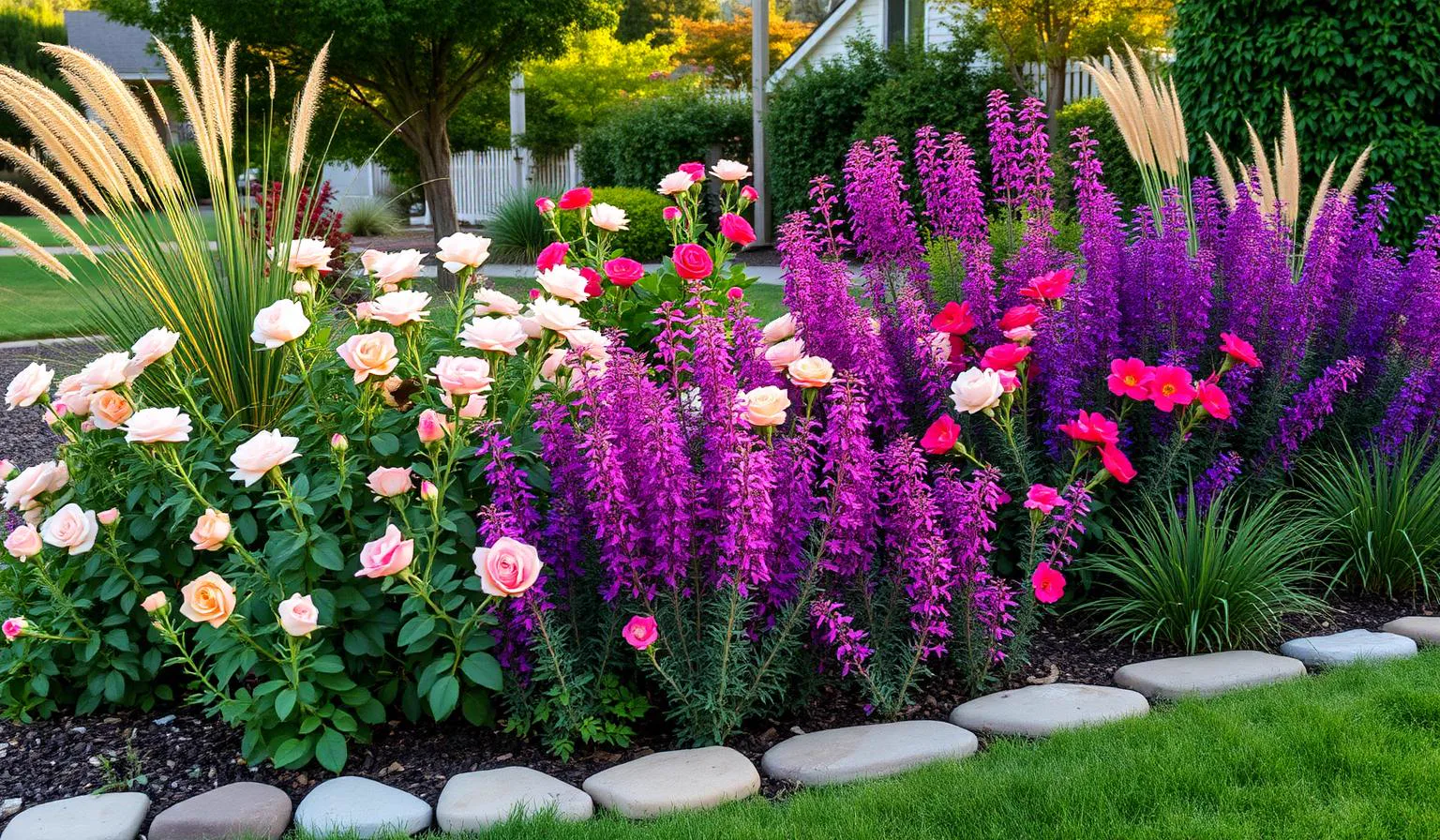
Garden Design in Orangevale, CA
Planting Plans Built for Our Heat
A planted garden lives or dies on the plant list and the layout. We get both right before the first hole is dug.
No obligation. Licensed CA landscape contractor.
Patchy lawns, dead shrubs, and wasted space make your yard hard to enjoy. Orangevale homeowners want yards that look good and stand up to hot Sacramento Valley summers. The right garden design fixes those problems before you spend money on plants that fail.
A skilled landscaper turns your outdoor space into a yard you actually use. That starts with a clear plan built around your soil, sun, and how you live.
This page walks you through what professional garden design includes and how each step works in Orangevale.
What Is the Difference Between a Garden Designer and a Landscape Architect?
A garden designer plans plants, beds, and outdoor layouts for homes. A landscape architect holds a state license and handles grading, drainage, and large civil projects. Most homeowners hiring for garden design in Orangevale need a designer, not an architect.
- Garden designers focus on plant selection, layout, and visual style.
- Landscape architects are licensed engineers who manage land and structures.
- Orangevale residential yards rarely need a licensed landscape architect.
- Garden designers often cost less and move faster on home projects.
Your Orangevale Yard Has Real Problems a Design Can Solve
Patchy grass, dying shrubs, and muddy corners come from real causes that a design plan can pinpoint and fix. Most Orangevale yards struggle with the same handful of issues.
- Plant failures tied to soil type, sun hours, or root rot from poor drainage
- Drainage problems that wash mulch and topsoil out of beds after every rain
- Hot zones where afternoon sun burns leaves and leaves bare patches behind
- Shade pockets where grass cannot grow and moss or mud takes over
- Dead space in your yard that you walk past every day without using
We walk your property and write down every problem area before sketching a single idea. By the end of the visit, you know exactly what your yard needs and what it does not.
How to Choose the Right Garden Designer
Picking a designer is a big decision. The wrong choice costs you money, time, and a yard that still does not work. The right one saves you from replanting and rework.
- Ask to see real projects finished in the Orangevale area.
- Test their local knowledge: USDA zone, clay soil prep, drought-tolerant favorites.
- Confirm they design around HOA rules and water restrictions.
- Make sure they can explain the 70/30 rule and the rule of three plainly.
- Watch how they communicate from the first call and how they ask about your goals.
A designer who works the Fair Oaks and Orangevale corridor knows local water rules and heat patterns. That local knowledge shows up in plants that live and bills that stay low. For a deep California native plant palette to compare picks with, see Calflora's plant palette tool.
Prep Before Your First Meeting
A little prep makes the whole project move faster. The more your designer knows up front, the better the plan will be.
- Walk and photograph your yard. Snap each corner, including close-ups of bare patches, dying shrubs, and pooling water.
- Track sun for a day. Note full sun, part shade, and deep shade zones at different times.
- Write two plant lists. Plants you love and want to keep, and plants you want gone.
- Check county rules. Walls, structures, and grading changes often need a Sacramento County permit.
- Write down how you want to use the yard. Play space, reading nook, fire pit, or entertaining area.
A Pro Design Project Follows Clear Steps
A real garden design project moves through a clear order. You skip guesswork and see the full picture before any shovel hits the dirt.
- Step 1
Site measure and mapping
We measure your yard and map sun, shade, slope, and existing features.
- Step 2
Concept and drawn plan
You review a plan that shows plant placement, bed shapes, and hardscape layout.
- Step 3
Digital preview
CAD or 3D tools let you see the plan before any work starts.
- Step 4
Plant list and material picks
Written plant list with species, sizes, counts, and paver and mulch choices.
- Step 5
Phased install schedule
We break work into stages so your yard stays usable through the project.
- Step 6
Walkthrough and care plan
We walk the finished yard with you and explain water, prune, and feed steps.
Confirm You Got What You Paid For
Walk the yard side by side with your designer. Bring the original plan and compare each bed, path, and planting zone to the drawing in your hand.
| What to Check | Why It Matters |
|---|---|
| Plant species and sizes | Wrong picks fail in Orangevale heat |
| Drip lines at every plant | Missed zones mean dead plants by July |
| Mulch depth and bed edges | Holds moisture and stops weeds |
| Hardscape placement | Matches the spacing on your plan |
Run the irrigation while you walk so each emitter pops on and water hits the root zone of every new plant.
Smart Design Choices Prevent Costly Mistakes
The fastest way to waste money on a yard is to plant the wrong things in the wrong spots. A smart plan up front saves you that pain.
- Drought-tolerant natives like manzanita, salvia, and ceanothus handle long dry stretches without daily watering.
- The 70/30 rule keeps soft plants and hardscape balanced so the yard does not feel crowded or bare.
- Plan for full mature size. A 5-gallon shrub today can spread 6 feet wide in three years.
- Keep trees clear of hardscape. Roots crack walkways, driveways, and fence posts.
- Pull permits early. Stop-work orders cost time and money you cannot get back.
Back to Landscape Design services.
Frequently Asked Questions
All Landscape Design Services in Orangevale
Get a Yard You Actually Want to Use
We plan plants, layout, and irrigation built for your Orangevale lot.
Mon–Fri, 7am–5pm. Licensed CA landscape contractor.