
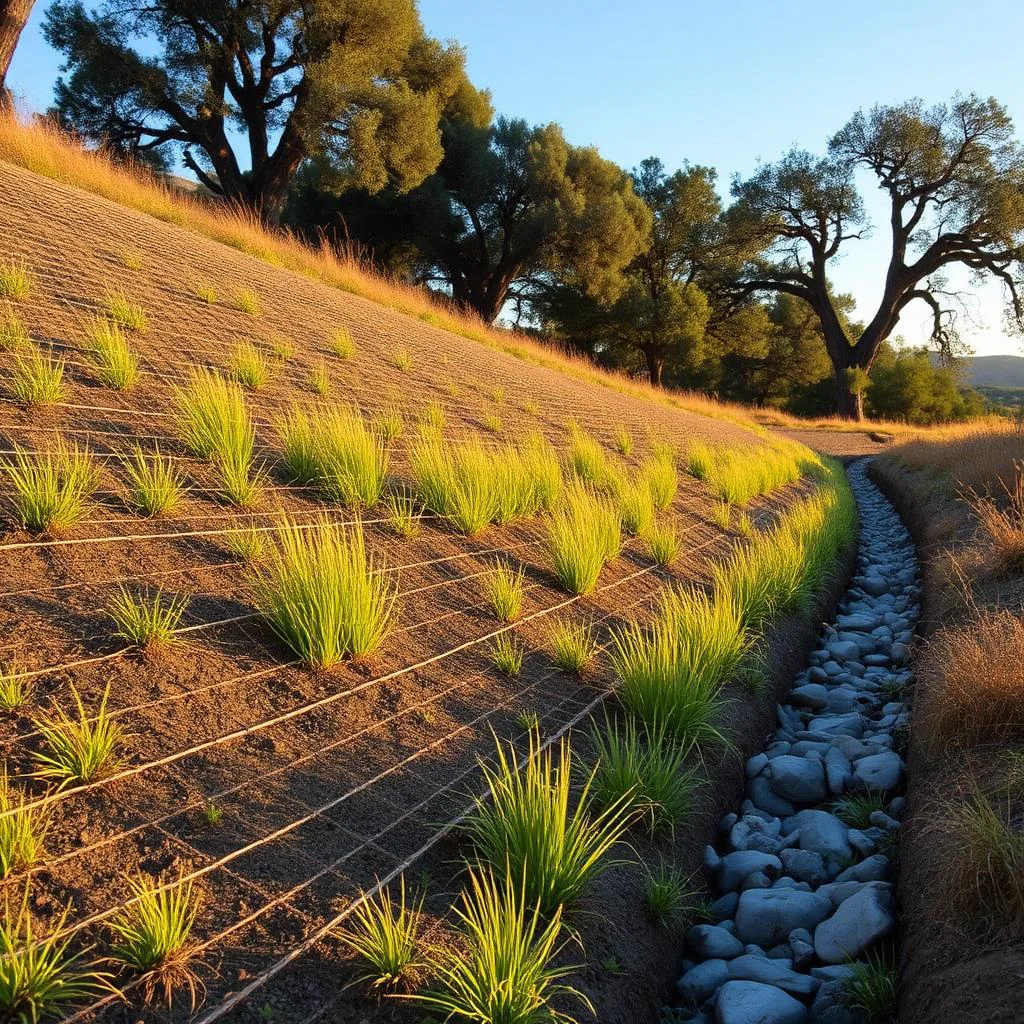
Erosion Control Systems in Orangevale, CA
Stop Soil From Washing Off Your Property
We design and install erosion control sized for your slope and soil before the next storm hits.
No obligation. Licensed CA landscape contractor.
Do I Need a Permit Before Installing Erosion Control in Orangevale?
Some erosion control systems require a grading permit before work begins. Projects that move large amounts of soil or change drainage patterns are most likely to need one. Your landscaper can check local Sacramento County requirements before starting.
- Grading permits are often required when a project moves more than 50 cubic yards of soil
- Creek or shoreline work near Orangevale may trigger added state or county review
- Permits protect you from fines and meet local drainage codes
- A licensed landscaper pulls permits and handles the paperwork for you
Warning Signs Your Yard Needs Erosion Control Now
Orangevale sits near Folsom Lake watershed zones. Seasonal rain runoff moves fast across our clay-heavy soils. Even mild slopes can lose ground in a single storm season.
- Bare soil on slopes — exposed dirt washes away fast during heavy rain
- Ruts or channels forming in the yard mean active erosion is already happening
- Muddy water pooling near your foundation puts the structure at risk
- Thin or patchy grass on hillsides shows roots are not holding soil
- Sediment piles at the base of slopes mean soil is sliding down from above
You may also notice exposed tree roots, leaning fence posts, or cracked walkways near slopes. If you see two or more of these signs, the soil loss is active and waiting another rainy season usually makes the fix bigger.
Erosion Control Methods Compared
| Method | Best Use |
|---|---|
| Riprap and rock lining | Creek banks and drainage channels |
| Erosion control blankets | Bare slopes needing new grass |
| Retaining walls | Steep grades and tiered yards |
| Ground cover plants | Gentle slopes and long-term holding |
| Silt fences and wattles | Bare lots and active job sites |
Riprap breaks up fast-moving water along creek banks. Blankets hold seed in place until grass grows in. Retaining walls add usable yard space on steep grades. Ground cover plants use deep roots to grip soil naturally. In the Citrus Heights border area, rocky slopes often respond best to riprap and native ground cover combinations. For more on how trees and roots help reduce runoff, see this EPA resource.
What to Do Before Installation Begins
- Clear furniture, toys, and obstacles from the work zone
- Flag sprinkler heads and irrigation lines with stakes or paint
- Confirm permit status with your landscaper
- Take photos of ruts, bare spots, and problem areas
- Plan for limited yard access for one to five days
We handle permit paperwork, but you should know the timeline. Permits can add a few days to the start date on larger jobs. Take before photos from a few angles so you can see the difference once the system is in.
How a Professional Installs Erosion Control Step by Step
- Grade and shape the slope to send water away from your house and walkways
- Place the main erosion control materials — rock, blankets, wattles, or walls
- Add seed or ground cover plants so roots lock the soil in place over time
- Install drainage outlets and check dams to slow runoff and guide it safely
- Clean up and walk the project with you before leaving
Near Orangevale's Maidu neighborhood, mature oaks grow close to many slopes. Our crews shape grading plans around those root zones to protect the trees and keep the soil structure strong.
How to Check Your System After the First Heavy Rain
- Walk the full slope and look for new ruts, channels, or freshly exposed soil
- Check every drainage outlet to confirm water is flowing clear
- Inspect rock and riprap placement stone by stone for any shifts
- Look at seed and ground cover progress — green growth should appear in 30 to 60 days
- Scan the base of the slope for fresh sediment piles
Orangevale gets most of its rain between November and March. Plan a full walk-through after every major rain event during the wet season. Quick checks take ten minutes and catch problems before they grow.
Long-Term Maintenance Keeps the System Strong
| Task | When to Do It |
|---|---|
| Inspect rock and riprap | Each fall before rainy season |
| Replace displaced stones | After any major storm |
| Clear drainage outlets | Before and after heavy storms |
| Reseed bare spots | Late summer or early fall |
| Schedule pro inspection | Every one to two years |
Trim ground cover lightly so plants stay thick and full — dense plants mean dense roots. Orangevale summers are hot and dry, which can stress young ground cover. Water them through the dry months so roots stay deep and healthy.
Frequently Asked Questions
Keep Your Soil Where It Belongs
We design and install erosion control built for your slope.
Mon–Fri, 7am–5pm. Licensed CA landscape contractor.