
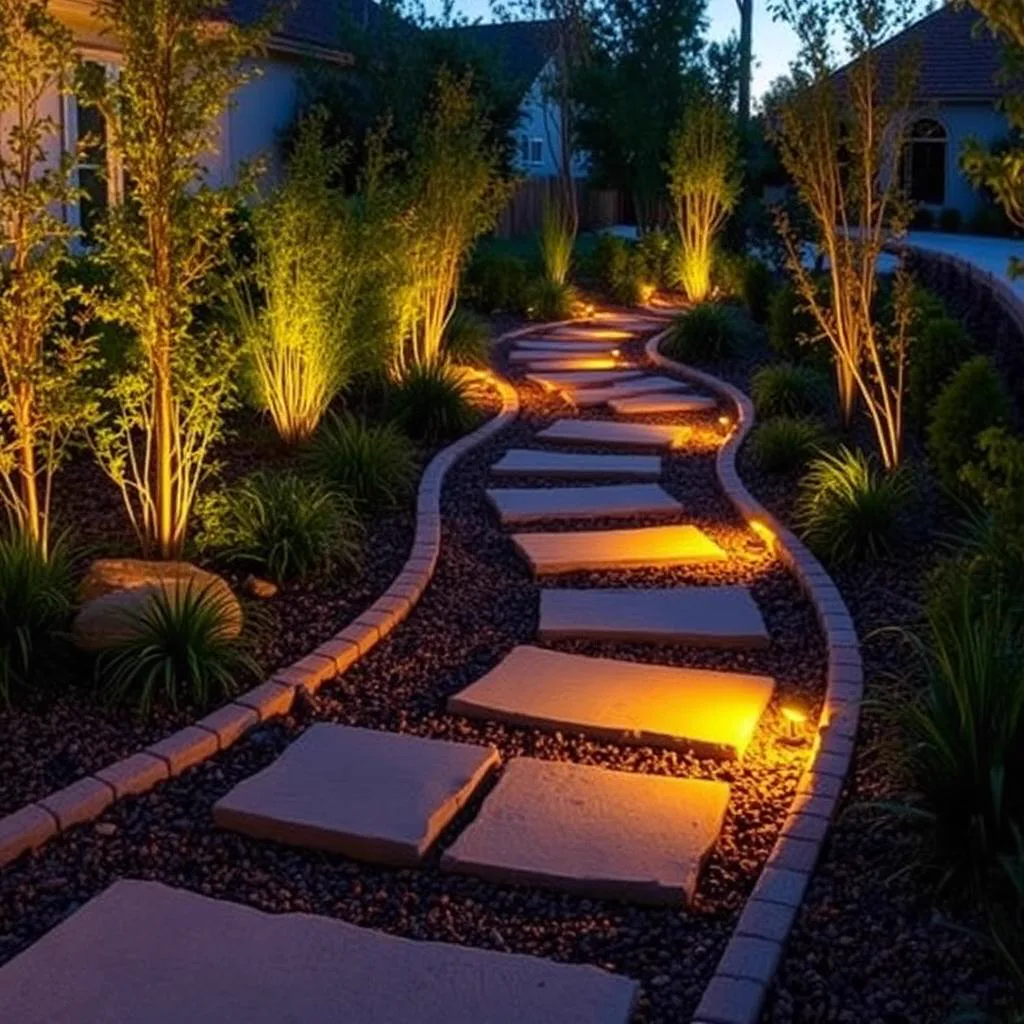
Narrow Side Yard Landscaping in Orangevale, CA
Make the Space Beside Your House Count
A narrow side yard can be more than a strip you hurry through. Plan a clear path, plants that fit, and a safe route for rainwater before you build.
No obligation. Licensed CA landscape contractor.
Can a Narrow Orangevale Side Yard Be Useful?
Yes. A narrow side yard can be a useful, attractive space with the right layout. Start with the width of the path, the depth of the planting beds, and where water will drain. Those choices matter more than filling every bare spot. A clear route from the front gate to the backyard may be all you need, with a few plants to soften the view.
The plan should fit your daily life. You might carry bins, move a wheelbarrow, or walk a dog through this space. Decide what needs to pass before choosing plants or paving. For a plan that ties the side yard to the rest of your property, explore our approach to landscape design in Orangevale.
Measure the Space Before You Fill It
An open yard gives you room to shift things around. A side yard may have a fence on one side and a house wall on the other. A small change can block the whole route. Measure the narrowest point, not just the widest stretch beside the patio. Mark where gates swing and where doors open.
Utility meters, air conditioning units, vents, and hose taps need access. Do not hide them behind thick shrubs or place a bench in front of them. Check the access and clearance needs with the utility or equipment maker. Keep those spaces on the drawing. They are part of the layout, not gaps to fill after the main work is done.
Give Your Orangevale Walkway Enough Room
Plan a path wide enough to walk without turning sideways or brushing against plants. If bins or garden tools pass through, measure them too. Leave room for your hands and elbows, not just the wheels. There is no single comfort width that fits every side yard. Required access routes may also have rules that need a separate check.
Before building, mark the path edges with string and walk the route. Open the gate and carry the items you use most. Try the tight corners. A smooth, steady route is often more useful than a winding path in a cramped space. Keep planting beds outside that clear passage so growth does not slowly steal the width you planned.
Choose Plants That Stay Narrow
A small nursery plant can become a wide shrub. Read the mature width before buying, then draw that size on the plan. Columnar shrubs grow in an upright shape and may suit a tight bed. Still, the word columnar does not guarantee a fit. Check the full size of the exact plant you choose.
Use height to add interest without crowding the path. A slim plant or a trellis can lift the eye, but keep growth away from meters, vents, and roof edges. Check how much sun reaches the strip during the day. A bright front corner and a shaded back corner may need different plants even though they share one narrow bed.
Plan Where Rainwater Goes in Orangevale
A side yard can act like a channel between houses. Roof runoff and hard surfaces can send water into the same tight strip. In Orangevale's clay-loam soil, watch for spots that stay wet after rain. Check where downspouts end and where water gathers before choosing a new surface. Do not solve one puddle by sending it toward a wall or a neighbor's yard.
The EPA's Soak Up the Rain program promotes green infrastructure such as rain barrels, rain gardens, and permeable pavement to reduce stormwater runoff. These practices also reduce water pollution and offer community benefits. That is a useful design idea, not proof that every option fits beside a house. EPA says the program site is no longer updated, so treat it as background.
We check the space, soil, slope, and safe outlet before choosing an approach. A rain garden may not suit a narrow strip close to a foundation. Permeable paving still needs a base and a plan for water below it. The goal is to manage runoff without creating a new wet spot where the house or equipment needs to stay dry.
Keep the Space Beside the House Clear
A side yard often runs close to siding, windows, and a fence. Do not treat every edge as a place for dense plants or stored items. Keep the route open and consider fire exposure when planning near a structure. Our guide to defensible space landscape design explains why the layout around the home matters. Plant height is only one part of that plan; spacing and placement matter too.
Add Light Without Crowding the Path
Light should help you see the gate, changes in level, and the walking surface. It should not shine into your eyes or a neighbor's window. Choose positions that leave the clear path open. A fixture that looks small in a photo can still catch a bin or your foot in a tight space. Check the view from both ends after dark before settling on the layout.
When to Start Your Orangevale Side Yard Project
Start with a site check and a clear plan, rather than buying plants first. Our guide to the best time of year to landscape helps you think through seasonal timing. Leave time to sort out access and runoff before work begins. A narrow yard does not have to be wasted space. It just needs each choice to earn its place.
- Keep a clear route from gate to backyard.
- Choose plants by mature size, not nursery size.
- Protect equipment access and plan where water goes.
- Use light where it helps you see and move safely.
All Landscape Design Services in Orangevale
Give Your Orangevale Side Yard a Purpose
McGuire Earth Works Inc. can plan a side yard that fits your house and how you use it. Call (916) 404-0944 for a free estimate. We will check the path, plants, and drainage together.
Mon–Fri, 7am–5pm. Licensed CA landscape contractor.