
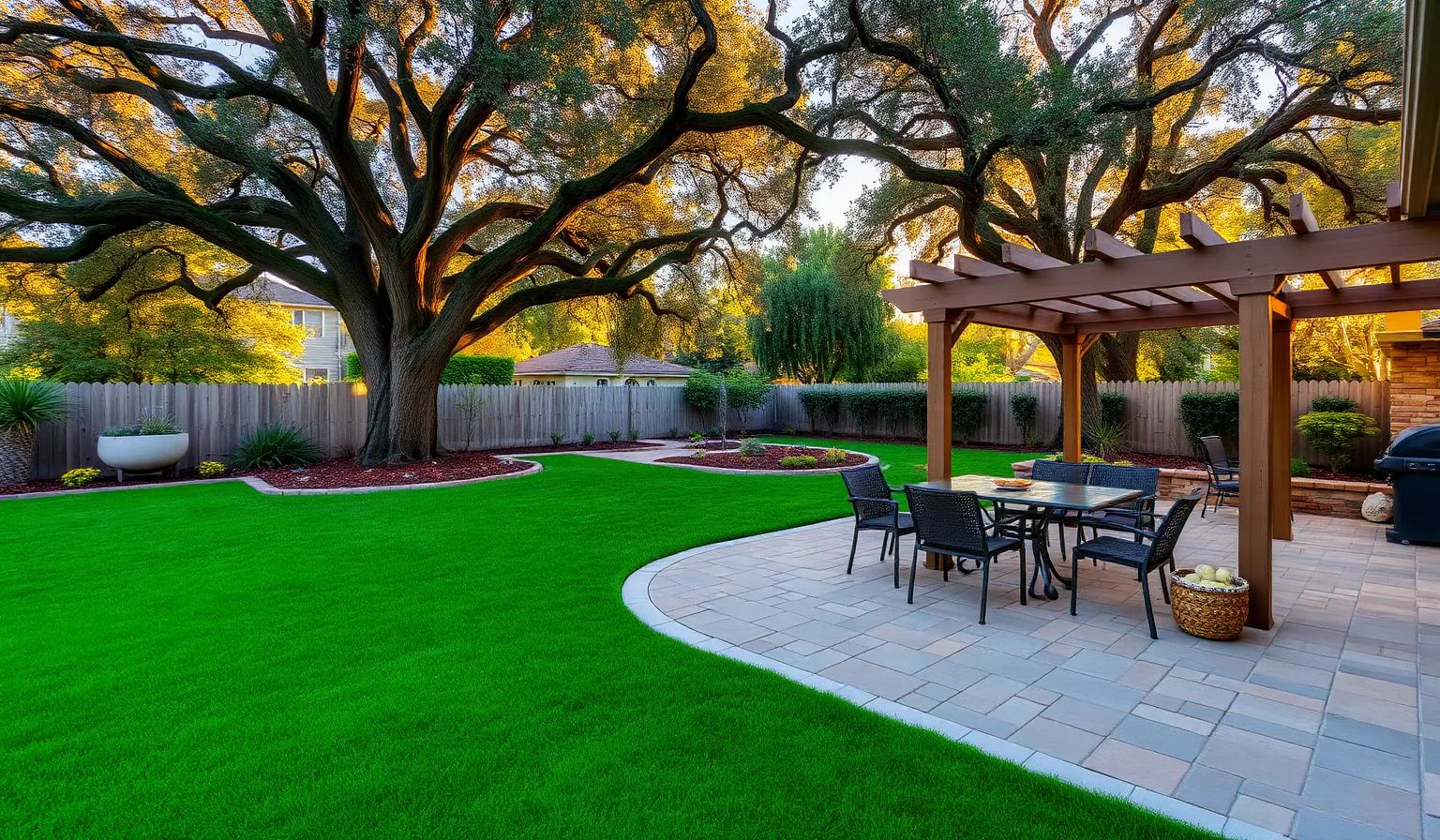
pet-friendly landscape design in Orangevale, CA
A Yard That Works for Your Whole Family, Pets Included
A yard built for people alone can be a hazard for pets. Here is how to plan plants, surfaces, and layout that work for dogs and cats in Orangevale.
No obligation. Licensed CA landscape contractor.
Why Pet-Friendly Landscape Design Matters for Orangevale Yards
Dogs and cats treat a yard differently than people do. They dig, they chew leaves, they run the same path along the fence every day, and they lie down in whatever patch of dirt or grass feels coolest at the time. A yard planned only for how it looks from the patio can turn into a hazard for a pet within the first season. Toxic plants, pavers that get too hot to stand on, and muddy low spots are common problems in Orangevale yards that were never designed with an animal in mind.
Pet-friendly landscape design plans around how your dog or cat actually uses the yard, not just how the yard photographs. The goal is a finished-looking yard that also holds up to normal pet traffic, without plants or surfaces that put your pet at risk. That usually means a few changes to plant choice, a few changes to layout, and sometimes a dedicated space just for the pet.
Most of this planning is simple once someone points it out. Few homeowners think to check a new plant against a pet safety list before buying it, or to notice that the path their dog wears into the lawn every day is telling them exactly where a hard surface should go instead.
Signs Your Orangevale Yard Needs Pet-Friendly Upgrades
- A worn dirt path along the fence line where your dog patrols every day
- Plants in the yard that are toxic to dogs or cats if chewed or eaten
- Pavers or artificial turf that get too hot to walk on by early afternoon
- No shaded spot for a pet to rest away from direct sun
- A low area that turns to mud every time it rains
- Brown or dead patches in the lawn from repeated urine spots
Most yards have at least one of these signs, and many have several at once. A pet-friendly redesign fixes them together instead of patching one problem at a time, which usually costs less effort in the long run than solving each issue separately as it comes up.
Hot Surfaces and Orangevale Summers
Orangevale summers push surface temperatures on dark pavers and some artificial turf products well past what a dog or cat can comfortably stand on by midday. A pet that will not cross the patio in July is not being stubborn. The ground is simply too hot for its paws. Lighter-colored pavers, natural stone, or a shaded section of hardscape near a tree stay noticeably cooler than a dark paver surface sitting in full sun all afternoon.
A pet-friendly layout plans at least one shaded path between the house and the main yard, so a pet never has to cross open pavement in direct sun just to get outside. This matters more in a yard with little shade than in one with mature trees already in place.
Pet-Safe Plants vs. Plants to Avoid
| Pet-Safe Choices | Plants to Avoid |
|---|---|
| Camellias, roses, and snapdragons | Sago palm, oleander, and azalea |
| Most ornamental grasses | Lily species, especially toxic to cats |
| Rosemary, thyme, and other culinary herbs | Foxglove and lily of the valley |
| California fuchsia and other native groundcovers | Castor bean and autumn crocus |
This list is a starting point, not a complete one, and plant toxicity can vary by how much a pet actually eats rather than simple contact. New plants should always be checked before they go in the ground, especially in a yard where a dog or cat spends unsupervised time outside.
Checking a Plant's Safety Before You Plant
The ASPCA keeps an updated list of toxic and non-toxic plants for pets that covers hundreds of common landscape plants, not just the handful that show up on most general warning lists. Checking a plant against that list before it goes in the ground takes a few minutes and can save a trip to the emergency vet later. This step matters most for cats, since cats are more likely than dogs to chew on ornamental leaves out of curiosity.
Planning a Pet-Friendly Layout
- Walk the yard and note where your pet already spends time, including worn paths and favorite resting spots
- Remove or relocate any toxic plants within reach of the pet's normal area
- Choose durable groundcover or turf for high-traffic zones instead of delicate plantings
- Add a shaded rest area using a tree, shade structure, or taller planting
- Fix low spots that collect water before new plants or turf go in
- Plan at least one clear sightline so a dog can see the gate or the house from its favorite resting spot
A plan built around these steps holds up longer than one built around plant choice alone. The layout matters as much as what gets planted, since even pet-safe plants will not survive being walked over every day in the same spot.
Dog Runs and Side Yards in Orangevale
A side yard is often the easiest spot in an Orangevale lot to turn into a dedicated dog run, since it already sits outside the main living space and usually gets less foot traffic from the rest of the family. Our guide to narrow side yard landscape design in Orangevale covers layout options for these tight spaces, including surfaces that hold up to repeated pet traffic better than lawn.
A dedicated run also protects the rest of the yard. Dogs that have one path or one strip they are allowed to use tend to leave planting beds and the main lawn alone, which cuts down on the worn patches and dug-up beds that show up when a dog has no clear space of its own.
Lawn Alternatives Where Pets Are Hard on Grass
Standard lawn is often the first thing to suffer in a yard with an active dog, between urine spots, digging, and wear along a favorite running path. Durable turf alternatives, gravel paths through high-traffic zones, or a mix of hardy groundcover and stepping stones can hold up far better than turf in the exact spots a dog uses most. The rest of the yard can still carry a full lawn or planting beds where foot traffic stays light.
Planning Landscape Design in Orangevale
If pets are part of your household, it is worth building that into the plan from the start rather than working around problems later. Our landscape design in Orangevale service plans every yard around how your whole family, pets included, actually uses the space, so the finished yard looks good and holds up to daily life with an animal in it.
All Landscape Design Services in Orangevale
Plan a Yard That Works for Your Pet
We plan plants, surfaces, and layout around how your dog or cat actually uses the yard. Call McGuire Earth Works Inc. at (916) 404-0944 for a free estimate.
Mon–Fri, 7am–5pm. Licensed CA landscape contractor.