
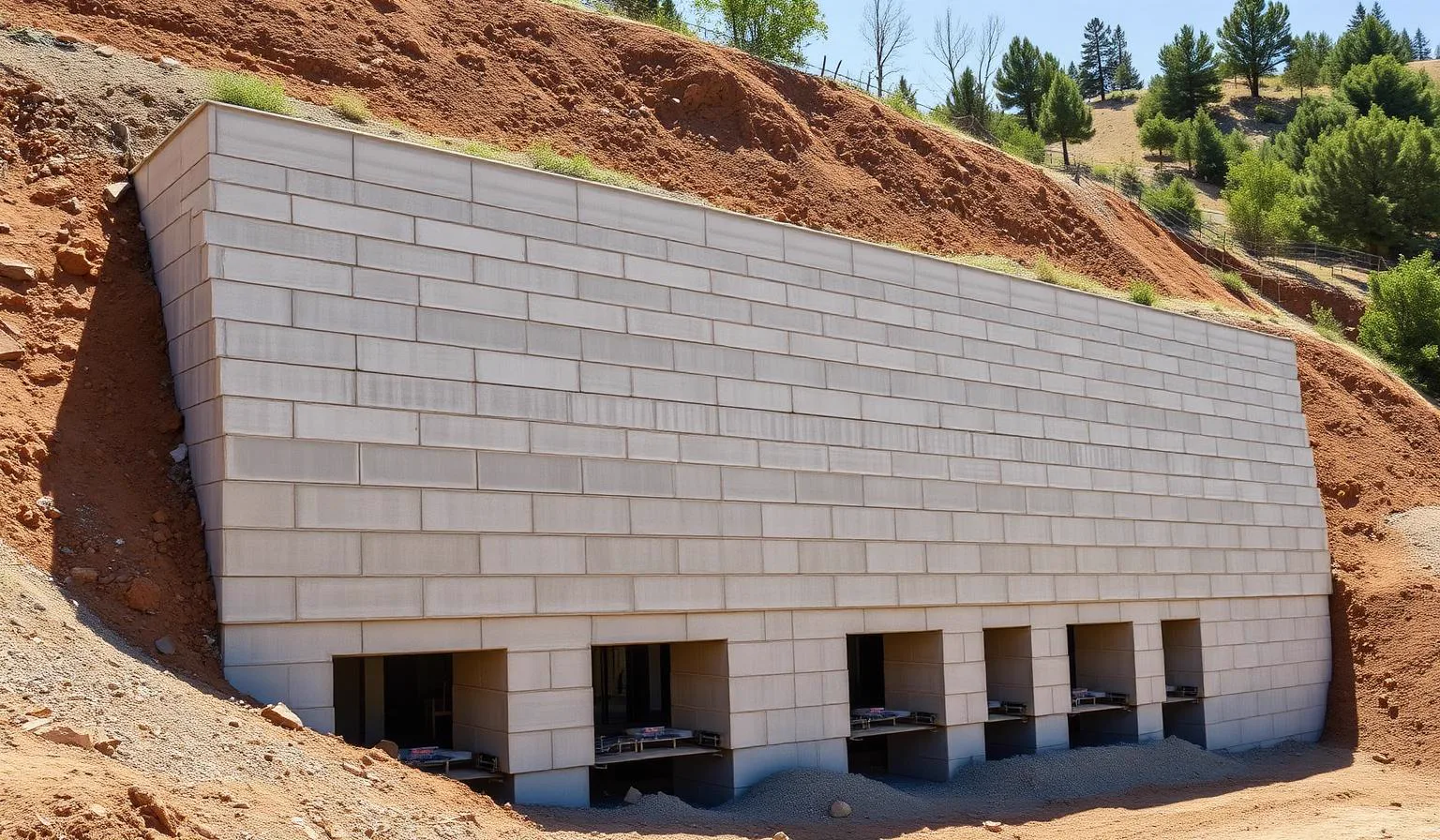
Gravity Wall Construction in Orangevale, CA
Gravity Walls That Lean on Their Own Weight
Short walls can use weight and friction instead of geogrid. Built right, a gravity wall outlasts the rest of the yard.
No obligation. Licensed CA landscape contractor.
Many Orangevale homeowners deal with sloped yards and soil erosion every year. Rain washes soil downhill, damages landscaping, and leaves your outdoor space uneven. Gravity wall construction gives you a solid way to hold that soil in place for good.
How Long Does a Pro-Built Gravity Wall Last in Orangevale?
50 years or more. Proper base prep and quality materials extend the wall's life. Regular maintenance helps it stay strong through wet winters and dry summers.
- Dry-stacked stone walls last decades when builders set a solid gravel base.
- Concrete gravity walls resist cracking on compacted, stable soil.
- Clay-heavy Orangevale soil requires good drainage to prevent wall movement.
- Annual inspections catch small cracks or shifts before they become major repairs.
- Walls built to local code standards hold up better during heavy rain seasons.
Sloped Yards in Orangevale Need Gravity Wall Solutions
- Erosion channels cutting across slopes after rainstorms
- Slumping or bulging soil along hillsides or garden bed edges
- Fence posts leaning because the ground beneath them has shifted
- Muddy runoff pooling near your driveway or patio
- Exposed tree roots on slopes where topsoil has washed away
- Cracks in walkways or retaining structures near grade changes
Local clay holds water and expands, then shrinks when it dries. That cycle pushes soil downhill faster than sandy ground would move.
Gravity Walls Compared to Other Retaining Walls
Gravity walls rely on their own mass and weight to hold back soil. No steel anchors or rebar inside the structure. That simple design keeps the build faster and the price lower than engineered alternatives.
| Feature | Gravity Wall | Reinforced Concrete Wall |
|---|---|---|
| Steel reinforcement needed | No | Yes |
| Best height range | Under 4 feet | 4 feet and above |
| Typical build time | 1 to 3 days | 5 to 10 days |
| Corrosion risk | Very low | Moderate over time |
| Blends with landscaping | Easily | Requires finishing |
For local code background on permits and inspections, see this CSLB building official information guide.
Permits and Site Prep Come Before Construction
- Utility marking: We call 811 to flag gas, water, electric, and cable lines.
- Clearing and grading: Trees, brush, and old fencing removed from the wall path.
- Elevation survey: Check slope grade and mark where the wall starts and ends.
- Material selection: Choose between natural stone, concrete block, or boulders.
- Delivery staging: Materials placed close to the build site to keep the project moving.
Walls taller than three feet typically require a building permit through Sacramento County.
Step-by-Step Gravity Wall Construction
- Step 1
Dig the trench
Flat-bottomed trench wide enough to support the full weight of the wall.
- Step 2
Compact the base layer
Crushed gravel run with a plate compactor several times for a solid base.
- Step 3
Set the first course
Bottom row placed dead level since it anchors the entire wall.
- Step 4
Stack with setback
Each row sits slightly farther back so weight pushes against the soil.
- Step 5
Pack drainage gravel
Clean gravel behind every course channels water away from the face.
- Step 6
Cap and lock
Final courses checked for level. Cap stones set flush and bonded in place.
A Finished Wall Should Meet Quality and Safety Standards
- Wall face plumb or leaning slightly backward. A forward bulge is a warning sign.
- Drainage outlets release water freely. Standing water creates pressure that pushes blocks out.
- Finished surface tight and solid. No large gaps. Caps sit flush with no rocking.
- Grade behind the wall slopes gently away from it. Water should never pool against the back.
Simple Maintenance for Decades of Performance
- Spring weed removal protects wall joints from slow root damage.
- Fall drainage checks prepare the wall for wet winters.
- Post-storm inspections catch bulges, cracks, or washed-out gravel early.
- Seal concrete block walls every three to five years with a masonry sealer.
Back to Retaining Wall Installation.
Frequently Asked Questions
All Retaining Wall Installation Services in Orangevale
Keep Your Yard Stable for Good
We build gravity walls that hold your slope and protect your property.
Mon–Fri, 7am–5pm. Licensed CA landscape contractor.