
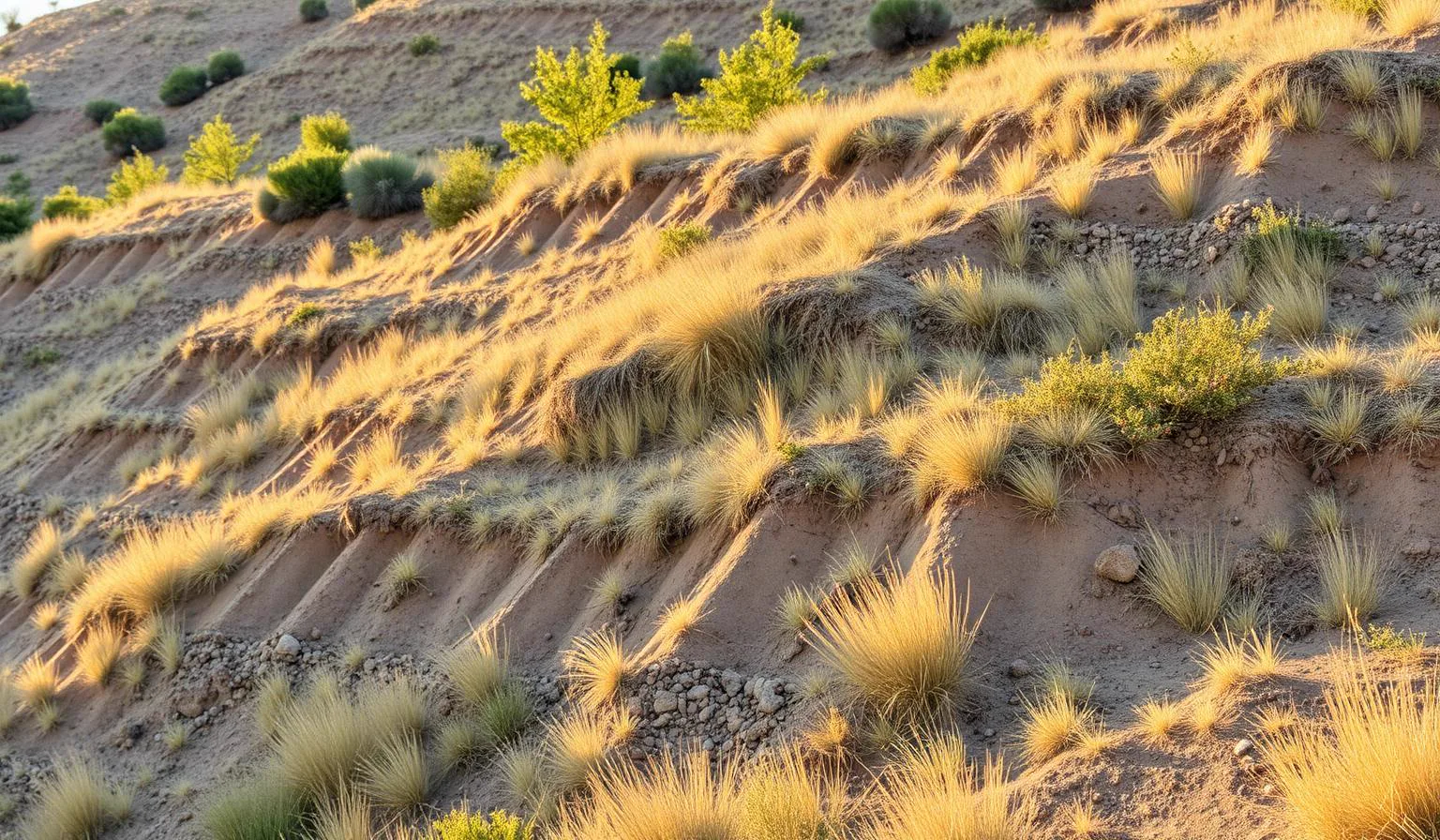
Soil Stabilization Systems in Orangevale, CA
Stop the Slope From Moving
Walls are only one piece of slope stability. Soil systems lock the hill so nothing rolls.
No obligation. Licensed CA landscape contractor.
Concrete block, natural stone, and treated timber all work for soil stabilization walls in Orangevale. Concrete block is the most popular because it handles local clay and loam soil well.
- Concrete block is strong, affordable, and easy to inspect after heavy rain
- Natural stone blends with native landscaping and handles freeze-thaw shifts
- Treated timber works on low walls but degrades faster in wet winters
- Geogrid reinforcement pairs with any material to add strength on taller walls
- Local soil tests help pick the right material before any digging begins
Warning Signs of Unstable Slopes
- Cracks running along a slope edge mean the ground is pulling apart
- Fences leaning downhill show underground soil pressure at work
- Standing water at the base of a hill adds weight and speeds erosion
- Visible tree roots mean the topsoil layer is already gone
- A bulging wall face needs attention before it fails completely
Choosing the Right Stabilization System
- Concrete block resists pressure from heavy clay soils
- Geogrid reinforcement is required on walls four feet or taller
- The one-third rule buries part of the wall to anchor it against sliding
- Drainage behind the wall is the most overlooked detail
Citrus Heights-area contractors favor concrete block because it handles clay runoff from nearby foothills.
Permits and Site Prep Come First
- Sacramento County permit for most walls over three feet
- Site survey maps slope angle, soil type, and drainage path
- Underground utility lines marked via 811
- Materials ordered ahead so they arrive on day one
- Build scheduled during a dry weather window
Properties near Arcade Creek may need extra floodplain review. For grading rules and permit details, see local grading permit info.
How the Build Goes
- Excavate the base trench to engineer-spec depth
- Lay and compact a six-inch crushed gravel base
- Set the first course perfectly level
- Stack rows with a setback angle pushing into the slope
- Install geogrid every two to three courses on taller walls
- Place perforated drain pipe wrapped in filter fabric, then gravel backfill
Orangevale crews schedule these builds in spring and fall when soil compacts best.
Confirm the New Wall Works Correctly
- Wall face runs straight with no bulging or bowing
- Water flows out of drain outlets during or after rain
- Backfill behind the wall stays firm and level
- Blocks and mortar hold for at least two growing seasons
- Final walkthrough covers drain exits, setback, and cap seal
Routine Care Keeps the Wall Strong for Decades
- Clear drain outlets every fall before winter rain
- Check for cracks or shifted blocks after each major rain
- Keep trees and large shrubs at least six to eight feet from the face
- Do not let soil or mulch pile above the wall cap
- Book a professional inspection every three to five years
Frequently Asked Questions
All Retaining Wall Installation Services in Orangevale
Keep Your Slope Solid for Good
We build retaining walls that hold your Orangevale yard in place.
Mon–Fri, 7am–5pm. Licensed CA landscape contractor.